Reverse Cycle Air Conditioning Vs Gas Heating Australia comes down to efficiency, comfort, safety and how your home is used. For most Australian households in 2026, reverse cycle air conditioning is often the better all-round choice because it heats and cools, uses electricity efficiently, and suits a wide range of climates.
Choosing between reverse cycle air conditioning and gas heating is not just about what feels warm on a cold morning. You also need to think about running costs, installation, air quality, maintenance and long-term value.
Across Australia, many homes are moving towards electric heating because modern split systems and ducted reverse cycle systems can deliver strong heating without burning gas inside the home. Government guidance notes that reverse cycle air conditioners can be highly efficient because they transfer heat rather than create it directly. (Energy.gov.au)
Reverse Cycle Air Conditioning Vs Gas Heating Australia: What’s the Main Difference?
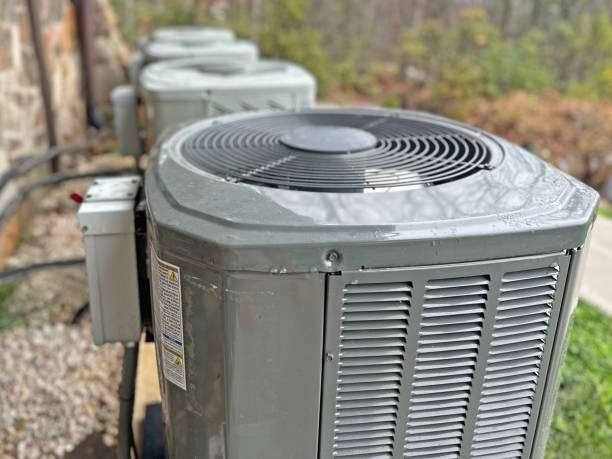
Reverse cycle air conditioning works like a heat pump. In heating mode, it draws heat from outside air and moves it indoors, even when the weather feels cool.
Gas heating burns natural gas or LPG to create heat. This can feel strong and fast, especially in older homes with ducted gas heating or gas bayonet heaters.
The key difference is that reverse cycle systems provide both heating and cooling from one unit, while gas heating only warms your home. In Australia, where many areas deal with hot summers and cool nights, that year-round flexibility matters.
Why Reverse Cycle Air Conditioning Is Often the Smarter Choice
A reverse cycle air conditioner can be a practical fit for homes, apartments, townhouses and small businesses. It gives you heating in winter, cooling in summer, fan mode for air movement and temperature control from one system.
Energy.gov.au states that reverse cycle air conditioners on the Australian market can range from 300% to 600% efficient, because they move heat rather than generate it like a traditional heater. (Energy.gov.au)
That does not mean every system will be cheap to run. The result depends on the unit size, star rating, insulation, ceiling height, local climate and how you use it.
For example, a small split system may work well in a bedroom or open-plan living area. A ducted reverse cycle system may suit a larger home, especially when zoning lets you heat only the rooms you use.
Where Gas Heating Still Makes Sense
Gas heating is not automatically a poor choice. In some homes, it can still perform well, especially if there is already a quality ducted gas system installed and the home has strong ventilation.
Gas heaters can provide fast warmth and may suit households that prefer a dry, radiant heat feel. Some people also like gas heating because it can continue operating separately from air conditioning.
However, gas systems usually need regular servicing, safe ventilation and careful checks for carbon monoxide risk. Victorian health guidance warns that open-flued gas heaters should be tested and serviced by a qualified gas fitter, including checks of the flue and ventilation. (Health Victoria)
Running Costs and Energy Efficiency
Running costs can vary across Australia because electricity and gas prices differ by state, distributor and plan. Your home’s design also plays a big role.
Reverse cycle air conditioning usually performs best when you:
- Set the temperature around a comfortable, moderate level
- Close doors to unused rooms
- Clean filters regularly
- Use zoning where available
- Seal gaps around windows and doors
- Choose the right unit size for the room
Gas heating can become costly when you heat the whole house for long periods, especially in homes with poor insulation or high ceilings.
The Australian Government’s YourHome guidance describes reverse cycle air conditioners as the most energy-efficient heater and cooler of all types, regardless of fuel source. (YourHome)
Comfort, Air Quality and Safety
Comfort is not only about temperature. It is also about airflow, humidity, noise and indoor air quality.
Reverse cycle systems spread warm air evenly and let you control temperature with a thermostat. Many modern systems also include filters that help reduce dust and airborne particles, although they still need regular cleaning.
Gas heating can feel cosy, but unflued or poorly maintained gas appliances can affect indoor air quality. Faulty gas heaters may also create carbon monoxide, which is dangerous because you cannot see or smell it.
This is one reason many Australian households are comparing Reverse Cycle Air Conditioning Vs Gas Heating Australia before upgrading an older heater.
Installation and Compliance Considerations
Reverse cycle air conditioning should always be installed by properly licensed professionals. Air conditioning work involving refrigerant requires a Refrigerant Handling Licence, and Australian Government information confirms this applies when working on refrigeration and air conditioning equipment. (DCCEEW)
A good installer will assess room size, insulation, window exposure, switchboard capacity, drainage, outdoor unit placement and airflow. These details affect comfort and long-term performance.
Pergz Air can help homeowners understand whether a split system, multi-head system or ducted reverse cycle setup suits their property. The right advice matters because an oversized or undersized unit can waste energy and leave rooms uncomfortable.
Practical Homeowner Tips Before You Upgrade
You do not always need to replace your heating system immediately. Sometimes small improvements can make your current system work better.
Before spending money, check these simple steps:
- Clean existing air conditioning filters.
- Seal draughts around doors and windows.
- Use curtains or blinds to reduce heat loss.
- Heat only the spaces you are using.
- Book servicing if your heater smells odd, sounds unusual or struggles to perform.
- Compare energy bills before and after heavy heating periods.
These steps can help you make a clearer decision instead of guessing.
When to Call a Professional
Call a professional when your current heater is unreliable, expensive to run, poorly sized or no longer keeping your home comfortable. You should also get expert advice if you are replacing gas heating, adding air conditioning to multiple rooms, or planning a ducted reverse cycle system.
A licensed technician can assess your home properly and recommend a system that suits your layout, budget and comfort goals. Pergz Air can help you compare Reverse Cycle Air Conditioning Vs Gas Heating Australia in a practical way, based on how your household actually lives.
For safe installation, efficient performance and clear advice, speak with Pergz Air before choosing your next heating and cooling system.
Conclusion
When comparing Reverse Cycle Air Conditioning Vs Gas Heating Australia, reverse cycle air conditioning is often the stronger choice for modern Australian homes. It offers heating and cooling, strong energy efficiency, flexible zoning options and no indoor gas combustion.
Gas heating can still suit some homes, especially where a safe and well-maintained system is already installed. But if you want year-round comfort, better control and future-ready performance, reverse cycle air conditioning is hard to ignore.
For honest advice and a system matched to your home, contact Pergz Air and explore the best heating and cooling option for your property.
FAQ
Is reverse cycle air conditioning cheaper to run than gas heating in Australia?
In many Australian homes, yes. Reverse cycle air conditioning is often cheaper to run because it transfers heat rather than creating heat directly, but your actual costs depend on energy prices, insulation and usage.
Does reverse cycle air conditioning work well in cold weather?
Yes, modern reverse cycle systems can work well in cool Australian conditions. Performance depends on the model, installation quality and whether the unit is correctly sized for the space.
Is gas heating bad for indoor air quality?
Gas heating can affect indoor air quality if the appliance is unflued, faulty or poorly maintained. Regular servicing and proper ventilation are important for safety.
What is the best option for Australian homes in 2026?
For many households, reverse cycle air conditioning is the best all-round option because it provides both heating and cooling. A professional assessment is the best way to choose the right system for your home.