Is ducted reverse cycle expensive to run? The short answer is: it depends on your home size, system efficiency, and how you use it — but with the right setup and habits, ducted reverse cycle is one of the most cost-effective ways to heat and cool an entire Australian home. Most households spend between $600 and $2,500 per year running a ducted system, and that figure can vary dramatically based on factors you can actually control.
If you’re weighing up whether ducted air conditioning is worth the ongoing investment, this guide breaks down everything you need to know — from real running costs and efficiency ratings to zone control, common mistakes, and when it genuinely pays to call in a professional.
How Ducted Reverse Cycle Air Conditioning Actually Works
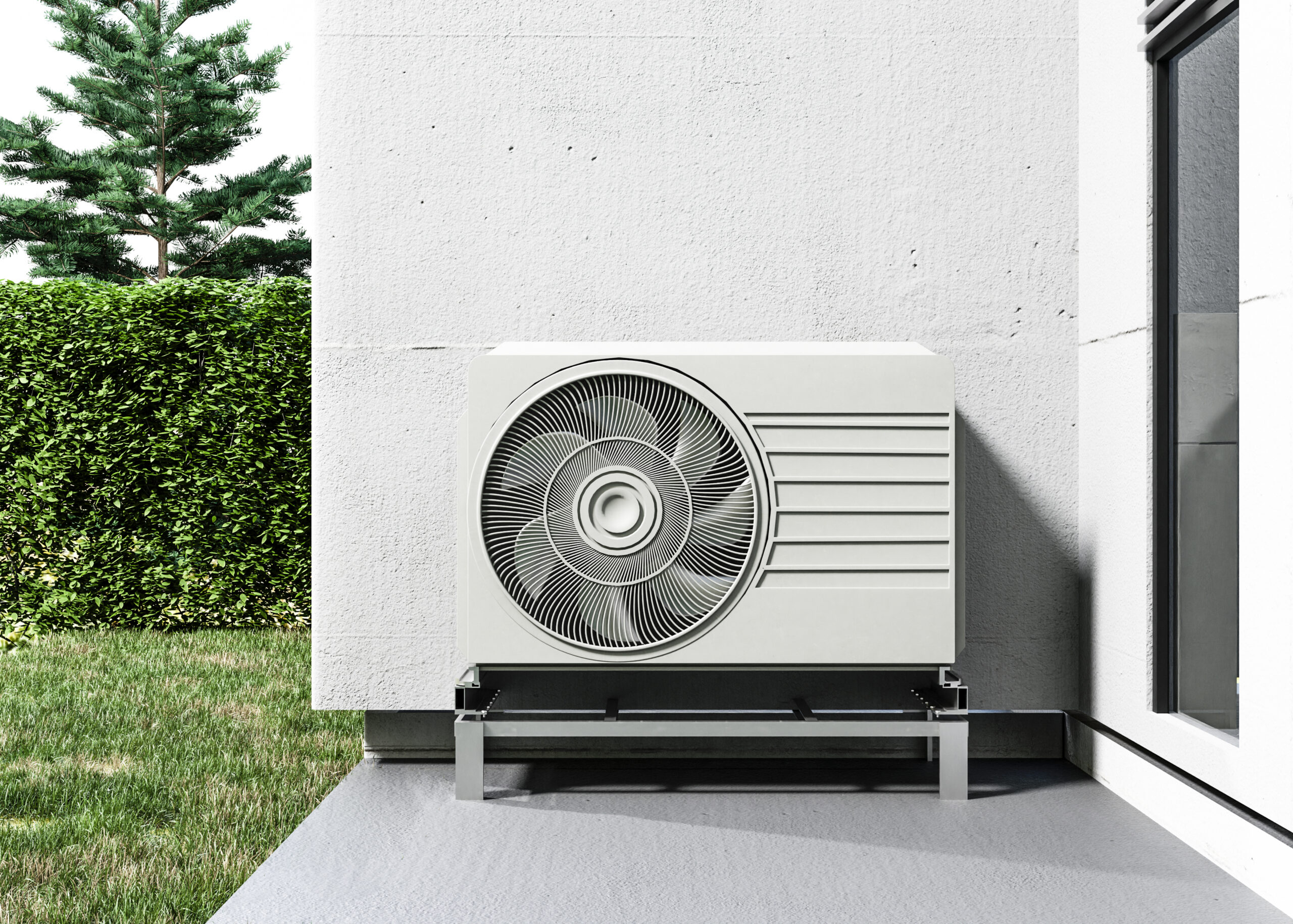
A ducted reverse cycle system uses a single outdoor unit connected to an indoor unit, which distributes conditioned air through insulated ductwork and ceiling vents throughout your home. Unlike a gas heater or resistive electric heater, it doesn’t generate heat — it moves it. In winter, it extracts heat from outside air and transfers it indoors. In summer, it reverses the process.
This heat-transfer mechanism is what makes reverse cycle so efficient. For every 1 kilowatt (kW) of electricity consumed, a modern system can deliver 3–5 kW of heating or cooling energy. That ratio is called the Coefficient of Performance (COP) for heating and the Energy Efficiency Ratio (EER) for cooling — and it’s the key number that determines your running costs.
How Much Does Ducted Reverse Cycle Cost to Run in Australia?
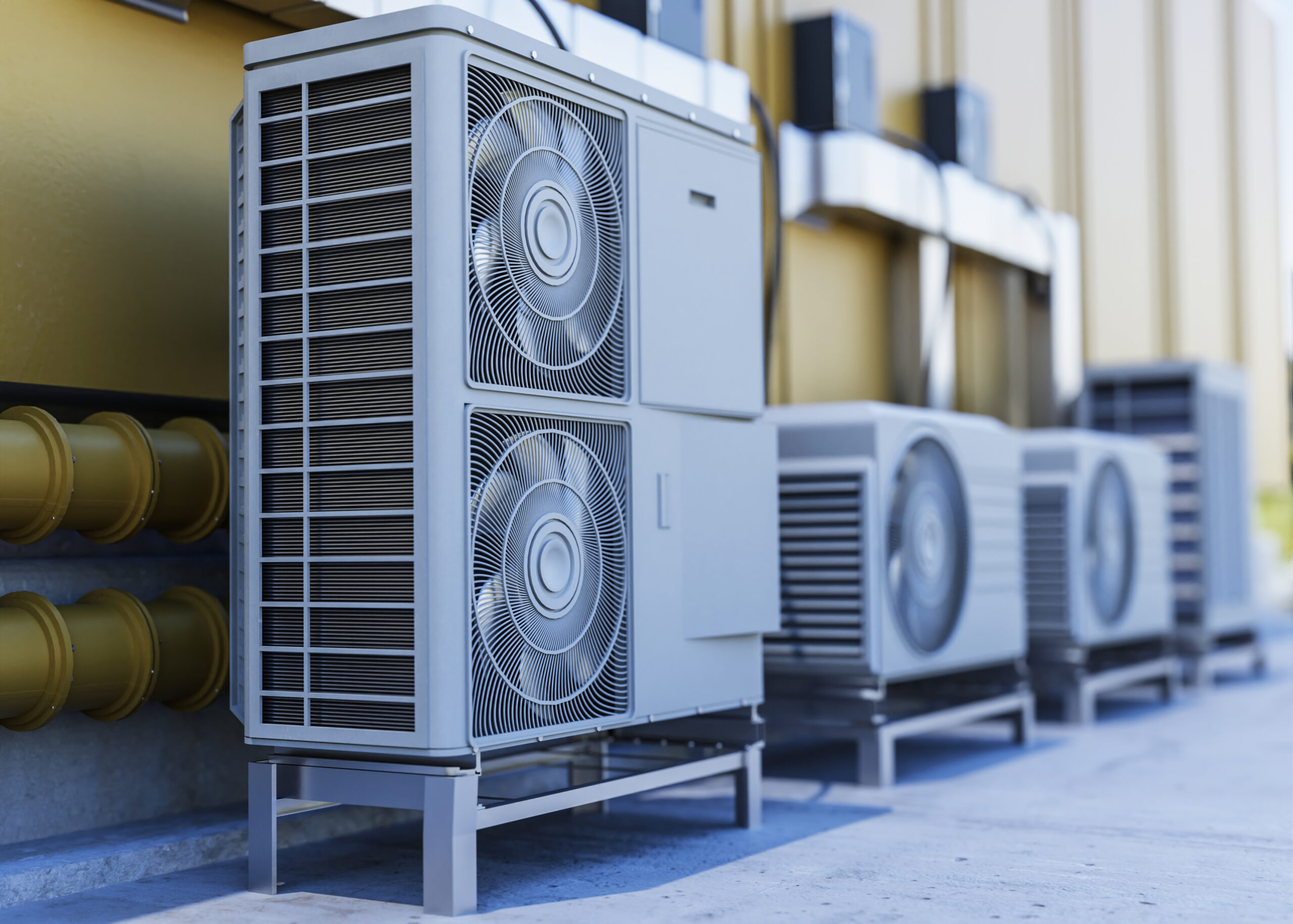
Running costs vary significantly based on your system’s capacity, star rating, local electricity tariff, and how many zones you’re operating. The table below gives you a realistic breakdown for common scenarios across Australian homes in 2026, using an average electricity rate of 30 cents per kWh (rates vary by state and retailer).
| Home Size | System Capacity | Estimated Annual Running Cost | Cost Per Hour (Full Load) |
|---|---|---|---|
| Small home (up to 120 m²) | 8–10 kW | $600 – $1,000 | $0.50 – $0.80 |
| Medium home (120–200 m²) | 12–16 kW | $1,000 – $1,600 | $0.80 – $1.20 |
| Large home (200–300 m²) | 16–22 kW | $1,400 – $2,200 | $1.10 – $1.80 |
| Large home with zoning | 16–22 kW (zoned) | $900 – $1,600 | $0.70 – $1.20 |
As you can see, a properly zoned system in a large home can cost less to run than a non-zoned system in a medium home. That’s the power of only conditioning the spaces you’re actually using.
What Factors Make Ducted Air Conditioning More or Less Expensive?
Several variables have a significant impact on whether your ducted system runs cheaply or burns through electricity. Understanding these helps you make smarter decisions from the outset.
- Star rating and inverter technology: Higher energy star ratings and inverter-driven compressors adjust output continuously, using far less power than older fixed-speed systems.
- Correct sizing: An undersized system runs constantly trying to reach temperature; an oversized one short-cycles and wastes energy. Proper sizing by a qualified installer is essential.
- Zoning: Dividing your home into independently controlled zones means you’re not heating or cooling empty rooms. This alone can reduce running costs by 30–50%.
- Insulation quality: Poor ceiling or wall insulation forces the system to work harder. Australian homes in cooler climates like regional Victoria benefit enormously from good insulation.
- Duct condition and insulation: Leaky or poorly insulated ducts lose conditioned air before it reaches your rooms. This is a surprisingly common issue in older installations.
- Thermostat settings: Every degree above 20°C in winter or below 26°C in summer adds roughly 5–10% to running costs. Setting 20°C in winter and 26°C in summer is the sweet spot.
- Climate zone: Homes in areas with extreme summers and cold winters — such as Melbourne’s outer northwest — will naturally run systems longer than those in milder coastal zones.
If you’re based in the Macedon Ranges or outer Melbourne suburbs, climate plays a particularly important role. You can explore ducted air conditioning installation in Melbourne to understand how local conditions influence system selection and sizing.
Is Ducted Reverse Cycle Cheaper Than Other Heating and Cooling Options?
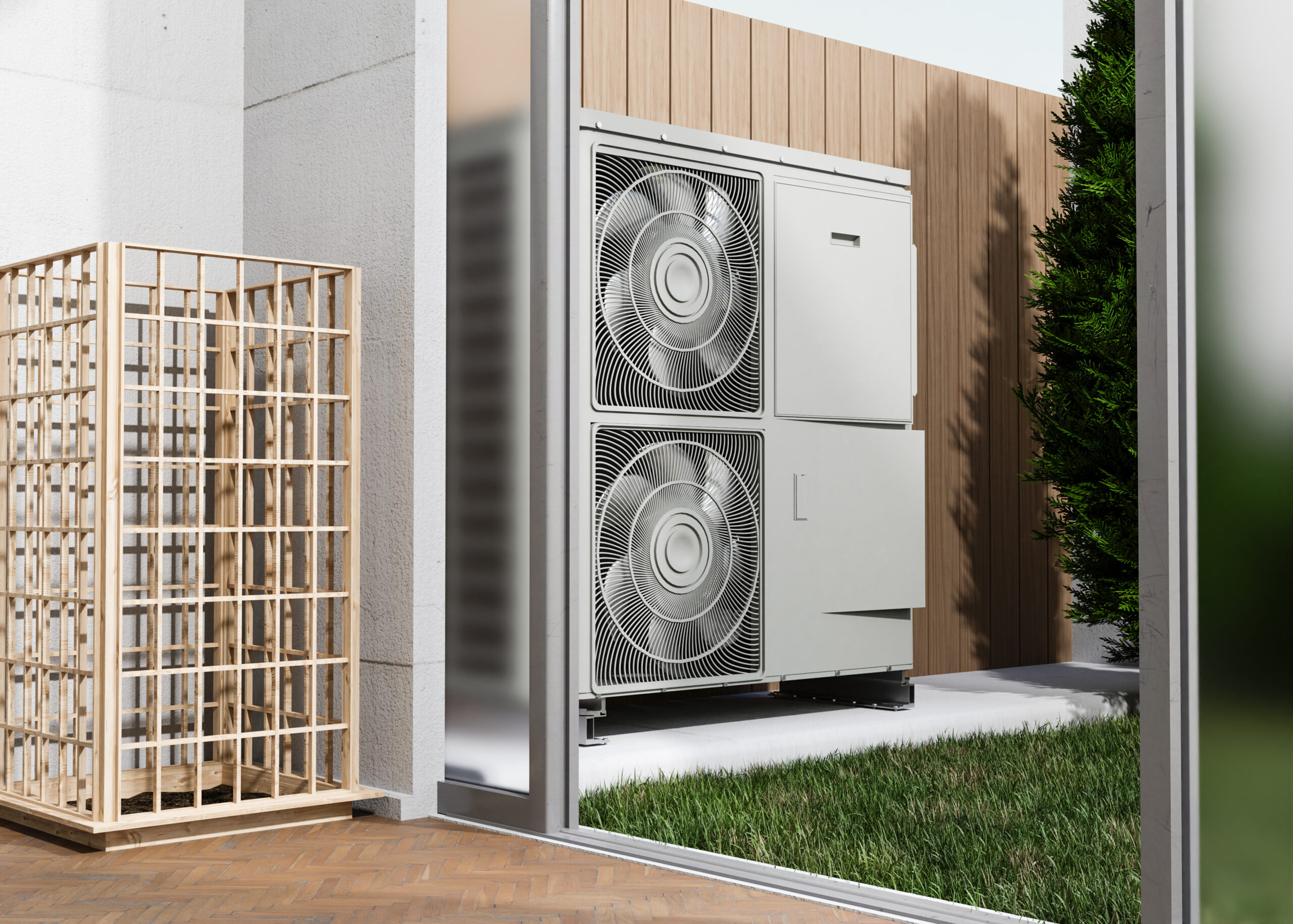
This is one of the most common questions homeowners ask, and the answer is nuanced. Compared to running multiple split systems across several rooms, a properly zoned ducted system is often cheaper — and always more convenient. Compared to gas ducted heating, reverse cycle is increasingly competitive as gas prices rise and electricity tariffs stabilise.
Resistive electric heating (bar heaters, panel heaters) is the most expensive option by far, costing 3–5 times more per unit of heat delivered than a reverse cycle system. Evaporative cooling is cheaper to run in dry climates but doesn’t cool effectively in humid conditions and provides no heating. Ducted reverse cycle is the only system that handles both heating and cooling efficiently from a single installation.
For homeowners in areas like Sunbury, Gisborne, or Diggers Rest, where winters are genuinely cold and summers can be fierce, ducted air conditioning in Sunbury or a nearby suburb offers year-round comfort without the need for separate heating and cooling systems.
Can You Reduce Running Costs After Installation?
Absolutely — and many of the most effective strategies cost nothing at all. Here are the key steps to take once your system is running:
- Use your zone controller wisely. Only activate zones in rooms that are occupied. Close off bedrooms during the day and living areas at night.
- Set sensible temperatures. Aim for 20–22°C in winter and 24–26°C in summer. Avoid the temptation to crank it to 30°C to heat up faster — it doesn’t work that way with inverter systems.
- Schedule your system. Use timer functions to pre-cool or pre-heat the home before you arrive rather than running it all day.
- Clean your filters regularly. Dirty filters restrict airflow and force the system to work harder. Clean them every 4–6 weeks during heavy use periods.
- Seal your home. Close windows, doors, and blinds when the system is running. Heavy curtains on west-facing windows make a measurable difference in summer.
- Book annual servicing. A well-maintained system runs more efficiently. A technician can check refrigerant levels, clean coils, and inspect ductwork for leaks.
- Consider solar. Pairing a ducted system with rooftop solar panels can dramatically reduce net running costs, particularly for daytime use.
Homeowners in areas like Romsey and Riddells Creek who take these steps consistently often report running costs at the lower end of the ranges shown in the table above. You can learn more about smart installation options through ducted air conditioning installation in Romsey or ducted air conditioning in Riddells Creek.
How Long Does a Ducted Reverse Cycle System Last?
A quality ducted reverse cycle system, professionally installed and regularly serviced, typically lasts 15 to 20 years. Some well-maintained systems exceed that. The ductwork itself can last even longer if it’s properly insulated and not damaged by pests or moisture.
The outdoor compressor unit is generally the component most exposed to wear, particularly in areas with extreme temperature swings. Choosing a reputable brand with good local warranty support matters here. Annual servicing is the single best investment you can make to extend system life and keep running costs predictable.
When calculating whether ducted reverse cycle is expensive, it’s worth amortising the installation cost over 15–20 years and adding annual running costs. Compared to replacing multiple split systems, portable units, or gas heaters over the same period, the total cost of ownership is often very competitive.
When to Call a Professional
Some aspects of ducted air conditioning are genuinely DIY-friendly — cleaning filters, adjusting zone settings, and checking that vents aren’t blocked. But anything involving the refrigerant circuit, ductwork modifications, or electrical connections must be handled by a licensed technician. In Australia, only an ARCtick-licensed technician can legally handle refrigerants.
You should call a professional if you notice any of the following:
- Unusual noises from the indoor or outdoor unit
- Rooms that won’t reach the set temperature
- A sudden spike in electricity bills without a change in usage
- Ice forming on the outdoor unit (outside of very cold mornings)
- Musty or unusual smells from the vents
- The system short-cycling (turning on and off frequently)
If you’re looking at a new installation or upgrading an existing system, the team at Pergz Air specialises in ducted reverse cycle installations across Melbourne’s northwest and the Macedon Ranges. Getting the sizing and zoning right from day one is the most important factor in keeping long-term running costs low. Explore options for ducted air conditioning in Gisborne or ducted air conditioning in Diggers Rest to get started.
Conclusion
Is ducted reverse cycle expensive to run? It can be — but it doesn’t have to be. The biggest cost drivers are system sizing, efficiency rating, zoning, and user habits, all of which are within your control. A properly sized, zoned, and maintained ducted reverse cycle system is genuinely one of the most cost-effective ways to keep an Australian home comfortable year-round.
For most households, annual running costs fall between $900 and $1,800 when the system is used sensibly. That’s a reasonable price for whole-home comfort across both seasons. If you’re considering installation or want advice on optimising an existing system, Pergz Air is ready to help you get the most from your investment — contact the team today for an obligation-free assessment.
Frequently Asked Questions
Is ducted reverse cycle expensive to run compared to split systems?
A ducted reverse cycle system costs more to run than a single split system but is typically cheaper than running multiple split systems across several rooms. With proper zoning, a ducted system can condition your whole home for a similar or lower cost than four or five individual split systems operating simultaneously.
How much does ducted reverse cycle cost to run per day in Australia?
Daily running costs in Australia typically range from $2 to $8 depending on system size, efficiency rating, and how many zones are active. A medium-sized home running a 14 kW system for 6–8 hours per day at 30 cents per kWh will generally cost around $3–$5 per day during peak season.
Is ducted air conditioning worth it in Melbourne’s outer suburbs?
Yes — Melbourne’s outer northwest suburbs experience cold winters and hot summers, making year-round climate control essential. Ducted reverse cycle eliminates the need for separate heating and cooling systems, delivers consistent comfort throughout the home, and with good zoning, is highly cost-effective for the conditions these areas experience.
How can I reduce my ducted reverse cycle running costs?
The most effective ways to reduce running costs are using zone control to condition only occupied rooms, setting the thermostat to 20–22°C in winter and 24–26°C in summer, cleaning filters every 4–6 weeks, booking annual servicing, and sealing the home while the system runs. Pairing with solar panels can also significantly reduce net electricity costs.
What star rating should I look for to keep running costs low?
Look for a system with at least 4–5 stars on the Australian energy rating label. Higher star-rated systems use less electricity per unit of heating or cooling delivered. Inverter-driven models with high COP and EER ratings will consistently outperform older fixed-speed systems, especially during the longer run times typical of Australian summers and winters.
How often does a ducted reverse cycle system need servicing in Australia?
Annual professional servicing is recommended for ducted reverse cycle systems in Australia. This typically includes cleaning coils, checking refrigerant levels, inspecting ductwork for leaks, and testing zone controls. In dusty or high-use environments, a mid-season filter clean is also advisable. Regular servicing keeps efficiency high and extends system lifespan significantly. For more about what we do, visit our homepage.