
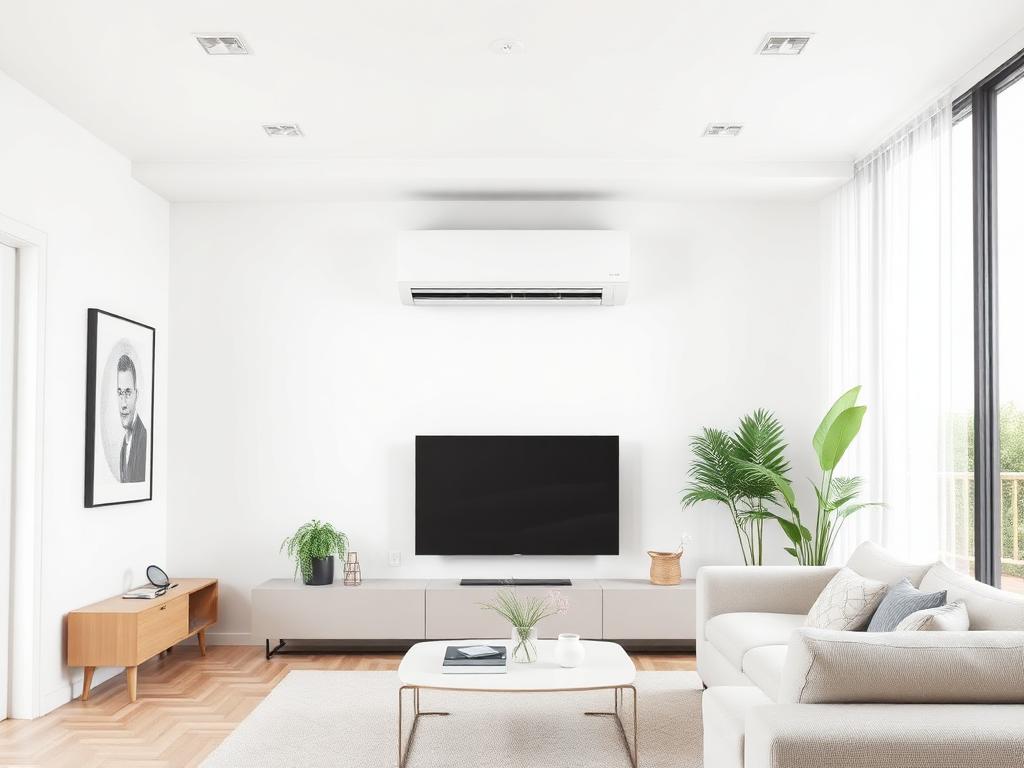
Is ducted or split system better for your home? The short answer: split systems win for smaller homes, individual rooms, or tight budgets, while ducted air conditioning suits larger homes where whole-house comfort and a clean aesthetic matter more. The right choice depends on your home’s size, layout, budget, and how you actually use your space day to day.
What Is the Difference Between Ducted and Split System Air Conditioning?
Before comparing the two, it helps to understand exactly what each system does. A split system consists of two units — an indoor head unit mounted on a wall and an outdoor compressor. It heats or cools a single room or open-plan area efficiently and independently. You can install one per room, or choose a multi-head split system installation in Melbourne that connects multiple indoor units to one outdoor compressor.
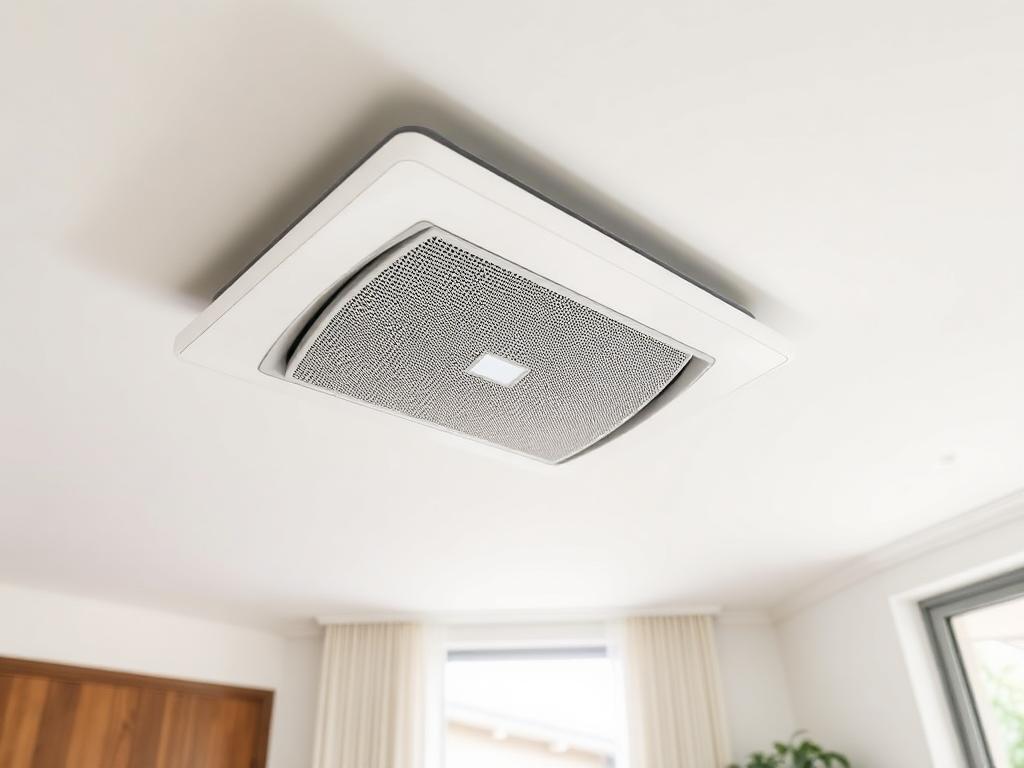
A ducted system, by contrast, uses a central unit (usually in the roof cavity or under the floor) connected to a network of ducts and vents throughout the home. One thermostat — or a zoning controller — manages the temperature across multiple rooms or the entire house simultaneously.
Both systems use reverse-cycle technology, meaning they can heat and cool. The difference lies in how they distribute conditioned air, how much they cost, and how well they suit different home types.
Is Ducted or Split System Better for Energy Efficiency in Australia?
Energy efficiency is one of the biggest concerns for Australian households, especially with rising electricity prices. The honest answer here is nuanced — neither system is universally more efficient.
Split systems tend to be more efficient when you only need to condition one or two rooms at a time. You’re not paying to cool or heat spaces that are empty. Modern inverter split systems regularly achieve energy star ratings of 5–7 stars, making them among the most efficient appliances in a home.
Ducted systems can be efficient when paired with a proper zoning setup, which lets you close off sections of the house. However, duct losses — where conditioned air escapes through poorly insulated or leaky ductwork — can reduce real-world efficiency significantly. In older Australian homes with roof cavities that reach 60–70°C in summer, this is a genuine issue.
If running costs matter most to you, a well-chosen split system will typically deliver lower energy bills unless you’re regularly conditioning five or more rooms simultaneously.
How Much Does Ducted vs Split System Air Conditioning Cost in Australia?
Cost is often the deciding factor. Here’s a realistic comparison of what you can expect to pay in 2026, including supply and installation:
| System Type | Typical Supply + Install Cost | Running Cost (Annual Est.) | Best For |
|---|---|---|---|
| Single split system | $1,200 – $2,800 | $150 – $400 | 1–2 rooms, apartments, rentals |
| Multi-head split system (3–5 zones) | $4,500 – $9,000 | $400 – $900 | Medium homes, targeted zoning |
| Ducted system (small home, 3–4 bedrooms) | $8,000 – $14,000 | $800 – $1,800 | Larger homes, whole-house comfort |
| Ducted system (large home, 5+ bedrooms) | $14,000 – $25,000+ | $1,200 – $2,500+ | Premium homes, seamless aesthetics |
Keep in mind that ducted installation costs vary widely based on roof cavity access, duct run lengths, insulation requirements, and whether the home is a new build or a retrofit. Retrofitting ducts into an existing home is significantly more expensive than installing during construction.
For a single head split system installation, the upfront outlay is far lower, and most installations are completed within half a day.
Which System Suits Different Australian Home Types?
Australia’s housing stock is incredibly varied — from compact inner-city apartments to sprawling suburban family homes and heritage-listed Victorian terraces. The right system often comes down to your specific property.
- Apartments and units: Split systems are almost always the right choice. Ducted installation is rarely practical or permitted by body corporates. A quality split system in the living area and one in the main bedroom covers most needs.
- Small to medium homes (2–3 bedrooms): A multi-head split system offers excellent coverage without the cost or complexity of ducting. You get individual room control and solid efficiency.
- Large family homes (4+ bedrooms): Ducted systems start to make more sense here, particularly if you want a clean aesthetic with no wall-mounted units visible. Zoning allows you to manage costs by only conditioning occupied areas.
- New builds: If you’re building from scratch, ducted installation is far more affordable and practical than retrofitting later. Many builders include ducted air conditioning as a standard inclusions option.
- Rental properties: Split systems are the landlord’s friend — lower upfront cost, easier maintenance, and tenants can manage their own comfort independently.
- Heritage or period homes: Roof cavity access can be limited, making ducted difficult. A discreetly installed split system is often the most practical solution.
What Are the Pros and Cons of Each System?
Let’s be direct about the trade-offs, because every system has genuine weaknesses worth knowing before you commit.
Split system advantages: Lower upfront cost, faster installation, higher energy efficiency for targeted use, easier to maintain, and simpler to replace individual units if one fails. The split system installation process is also far less disruptive to your home.
Split system disadvantages: Multiple wall-mounted units can look cluttered. Each room requires its own unit (unless you choose multi-head). Noise from the indoor unit, while generally low, is present in the room.
Ducted system advantages: Whole-home comfort from a single system, no visible wall units, quieter in individual rooms, and a premium aesthetic that can add to property value. Zoning provides flexibility for larger households.
Ducted system disadvantages: High upfront cost, complex and disruptive installation (especially in existing homes), duct maintenance requirements, and potential efficiency losses through ductwork. If the central unit fails, you lose cooling and heating throughout the entire home.
Can You Install a Split System Yourself in Australia?
This is a question many homeowners ask, and the answer is clear: no, not legally. Under Australian regulations, any work involving refrigerant handling requires an ARCtick licence issued under the Ozone Protection and Synthetic Greenhouse Gas Management Regulations. Electrical connections to air conditioning units must also be performed by a licensed electrician.
Attempting a DIY installation without the appropriate licences is illegal, voids your warranty, and can create serious safety hazards. This applies to both split systems and ducted systems — there are no exceptions for homeowners.
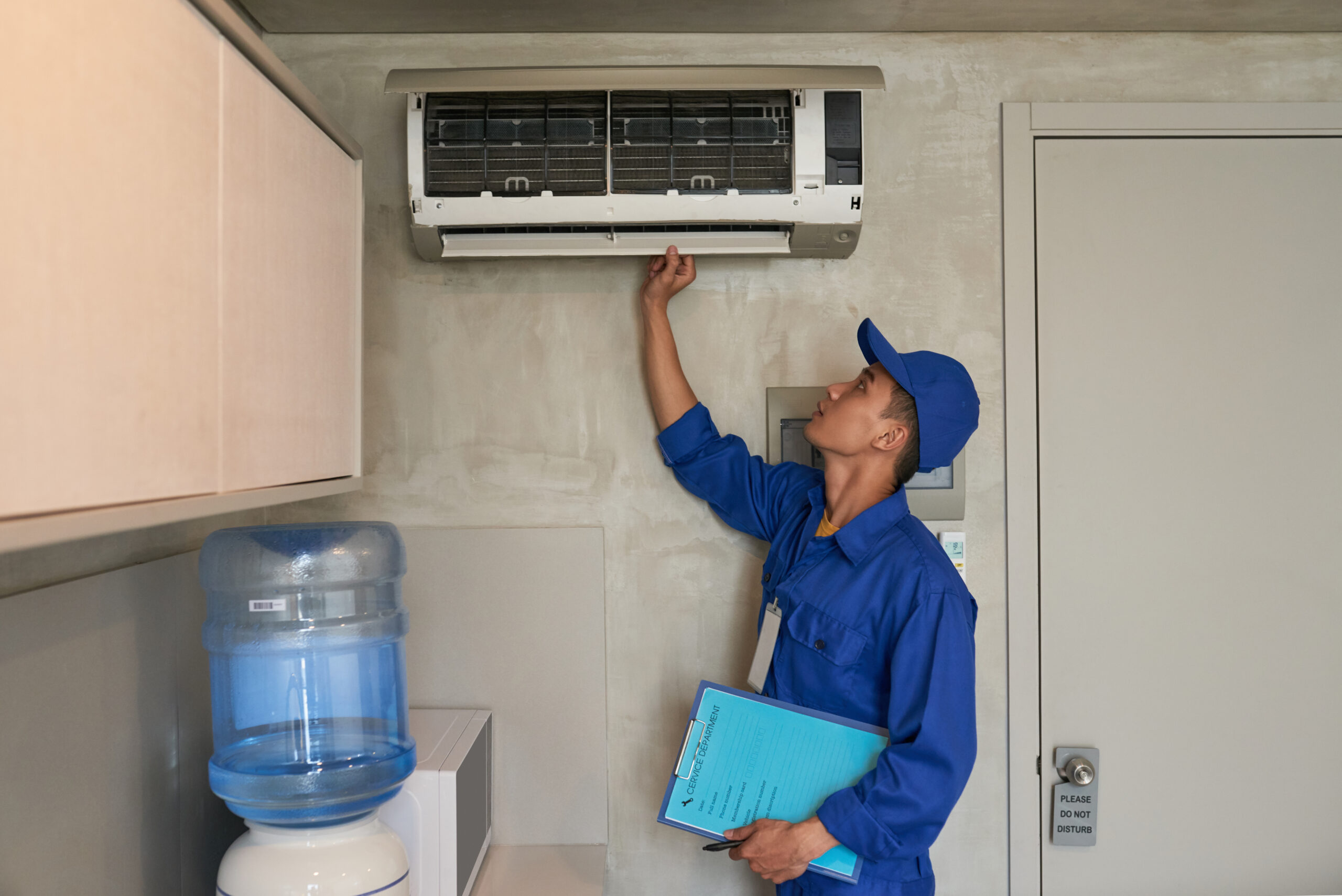
What you can do yourself: clean filters regularly (monthly during heavy use), keep the outdoor unit clear of debris and vegetation, and check that drainage isn’t blocked. These simple maintenance tasks extend the life of any system significantly.
When to Call a Professional
If you’re still weighing up whether ducted or split system is better for your specific home, a professional assessment is the most reliable way to get a definitive answer. An experienced air conditioning technician can evaluate your home’s layout, insulation, ceiling space, and electrical capacity to recommend the right solution — and give you an accurate quote rather than a ballpark figure.
You should call a professional when:
- You’re unsure which system suits your home’s size and layout
- You want to add air conditioning to multiple rooms at once
- Your existing system is underperforming or breaking down frequently
- You’re renovating or building and want to plan ahead
- You’ve had quotes but want a second opinion on system sizing or brand
The team at Pergz Air provides honest, obligation-free advice and professional installation across Melbourne. Whether you’re looking at a single split system in Altona or a multi-head setup in Balwyn, you can explore local options including split system installation in Bentleigh East and surrounding suburbs. Getting the right system installed correctly the first time saves money and frustration for years to come.
Conclusion
So, is ducted or split system better? For most Australian households in 2026, a split system — whether single or multi-head — offers the best combination of upfront affordability, energy efficiency, and practical flexibility. Ducted systems earn their place in larger homes, new builds, and situations where whole-house comfort and aesthetics are the priority.
The key is matching the system to your home, your lifestyle, and your budget — not simply choosing the most expensive option or copying what your neighbour installed. If you’re ready to get a professional recommendation tailored to your property, reach out to Pergz Air for a no-obligation consultation and quote.
Frequently Asked Questions
Is ducted or split system better for a 4-bedroom house in Australia?
For a 4-bedroom Australian home, either can work well. A ducted system with zoning offers seamless whole-house comfort, while a multi-head split system provides similar coverage at lower cost. If the home is an existing build, a multi-head split system is often more practical and affordable than retrofitting ductwork into the roof cavity.
How much does it cost to install ducted air conditioning in Melbourne in 2026?
In Melbourne, ducted air conditioning installation typically costs between $8,000 and $25,000 or more, depending on home size, roof cavity access, and zoning requirements. Smaller homes at the lower end of that range can expect a straightforward installation, while large or complex properties will sit toward the upper end.
Is a split system cheaper to run than ducted air conditioning?
Yes, in most cases a split system is cheaper to run because you only condition the rooms you’re using. Ducted systems can be cost-effective with proper zoning, but duct losses and the energy required to condition larger volumes of air typically result in higher electricity bills than a targeted split system setup.
How long does split system installation take in Australia?
A standard single split system installation takes approximately 2–4 hours. A multi-head system with three to five indoor units typically takes a full day. Ducted installation is significantly longer, often requiring two to three days depending on the size of the home and complexity of the duct layout.
Can I add more split systems to my home later if I start with one?
Yes, absolutely. One of the biggest advantages of split systems is their scalability. You can start with one unit in the living area and add individual units or upgrade to a multi-head configuration as your budget allows. This staged approach is popular with homeowners who want to spread the cost over time.
Which air conditioning system adds more value to a home in Australia?
Ducted air conditioning with zoning generally adds more perceived value at the point of sale, particularly in premium or family-sized homes. However, a quality split system in key rooms is still viewed positively by buyers. The impact on property value depends heavily on the local market, home size, and quality of the installation.