How much does air conditioning cost to install in Australia? In 2026, installation costs usually depend on the system type, property layout, electrical requirements, brand, unit size and access conditions. A basic split system is generally more affordable, while ducted air conditioning costs more because it involves ceiling space, ductwork, zoning and a larger installation process.
Air conditioning is a major comfort upgrade for many Australian homes. Whether you are preparing for humid summers, cold winter mornings or year-round climate control, understanding what affects the price can help you plan with more confidence.
This guide breaks down the main cost factors, system types, practical considerations and signs that you should speak with a licensed professional before booking an installation.
Why Air Conditioning Installation Costs Vary Across Australia
Air conditioning installation is not a one-size-fits-all job. Two homes can install the same brand and model but still pay different amounts because the work involved may be completely different.
A single-storey brick home with easy access may be simpler than a multi-storey townhouse with limited wall space. Homes in coastal areas may also need careful outdoor unit placement due to salt air exposure.
The final cost often depends on:
- The type of air conditioning system
- The size and cooling capacity needed
- The distance between indoor and outdoor units
- Electrical switchboard capacity
- Wall, ceiling or roof access
- Drainage requirements
- Whether old units need to be removed
- The number of rooms being cooled or heated
- Zoning controls for ducted systems
This is why it is usually better to get a tailored quote rather than rely on a rough online figure.
How Much Does Air Conditioning Cost to Install by System Type?
The answer to how much does air conditioning cost to install depends heavily on the system you choose. The three most common options in Australian homes are split systems, multi-head split systems and ducted air conditioning.
Split System Air Conditioning
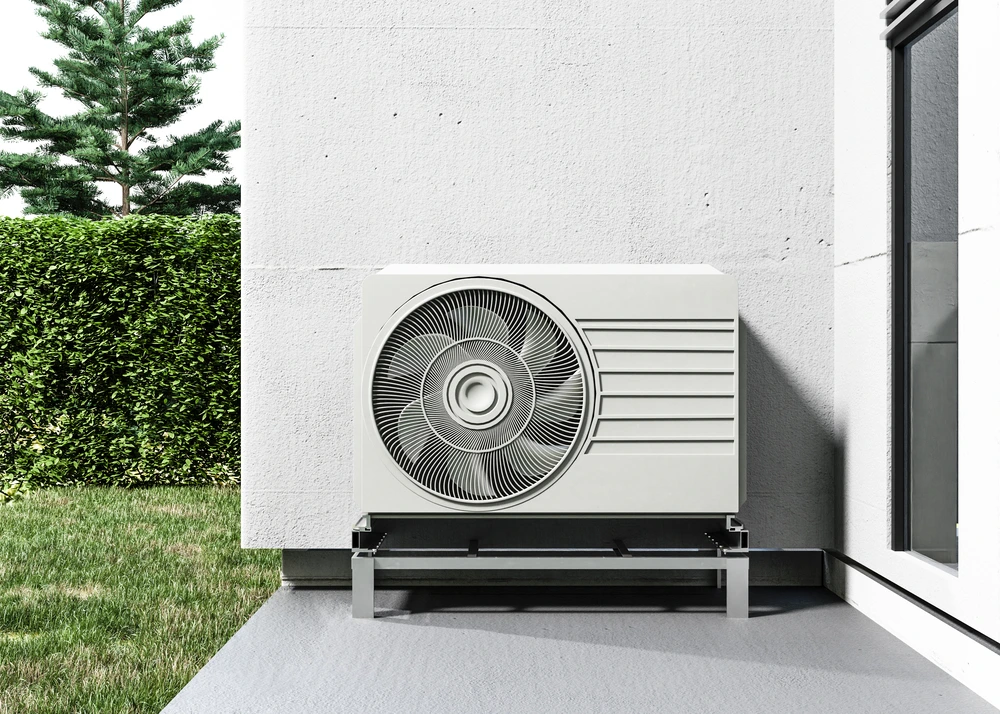
A split system is one of the most common choices for bedrooms, living rooms, home offices and smaller open-plan spaces. It includes one indoor unit and one outdoor unit.
This option is often popular because it can cool or heat a specific area without needing ductwork through the roof. It is also suitable for many existing homes where ducted installation may not be practical.
Installation may be more straightforward when the indoor unit is placed on an external wall close to the outdoor unit. Costs may increase if pipework needs to run further, if the outdoor unit needs brackets, or if electrical upgrades are required.
Multi-Head Split System Air Conditioning
A multi-head split system connects several indoor units to one outdoor unit. This can be useful when you want to control air conditioning in multiple rooms but do not want several outdoor units around the property.
These systems can suit townhouses, apartments and homes with limited outdoor space. The installation is more involved than a single split system because multiple indoor units need pipework, wiring and careful placement.
The total price depends on how many indoor units are installed and how far they are from the outdoor compressor.
Ducted Air Conditioning
Ducted air conditioning is often chosen for whole-home comfort. It uses a central indoor unit, usually installed in the ceiling space, with ducts running to different rooms.
This type of system usually costs more to install because it requires more materials and labour. It may include ducts, vents, zoning, return air grilles, controllers and sometimes additional electrical work.
Ducted air conditioning can be a practical option for larger homes, new builds and families who want consistent temperature control across several rooms.
Main Factors That Affect Installation Price
When people ask how much does air conditioning cost to install, they are often hoping for one simple answer. In practice, installers need to look at the home first because the details matter.
1. Unit Size and Cooling Capacity
Air conditioners are sized in kilowatts. A small bedroom may only need a lower-capacity unit, while a large open-plan living area may need something much stronger.
Choosing the wrong size can cause problems. A unit that is too small may run constantly and struggle to cool the space. A unit that is too large may cycle on and off too quickly, affecting comfort and energy use.
A professional installer will usually consider room size, ceiling height, insulation, window exposure and how the room is used.
2. Property Layout
The layout of your home can make installation easier or more complex. A back-to-back split system installation is often simpler because the indoor and outdoor units are close together.
If the outdoor unit needs to be placed on a balcony, roof, side passage or wall bracket, the installation may need extra planning. Multi-storey homes may also involve more labour and safety considerations.
3. Electrical Requirements
Air conditioning must be installed safely and in line with Australian electrical rules. Some systems may need a dedicated circuit, isolation switch or switchboard check.
Older homes may need additional electrical work before the air conditioner can be installed safely. This is especially common in homes with older switchboards, limited circuit capacity or existing electrical faults.
4. Drainage and Condensate Management
Air conditioners create condensation during operation. This water must drain away properly.
Poor drainage can lead to water stains, leaks, mould issues or damage to walls and ceilings. Installers need to make sure the drain line has a suitable fall or, in some cases, use a condensate pump.
5. Access to Roof or Wall Cavities
Ducted systems need suitable roof space for the indoor fan coil unit and ducting. If the ceiling cavity is tight, awkward or blocked by beams, installation can take longer.
For split systems, wall construction can also affect the job. Double brick, rendered walls, cladding and limited access can all change the amount of work required.
Installation Cost Versus Running Cost
The upfront installation price is only one part of the decision. You should also think about running costs.
An energy-efficient unit may cost more upfront but use less electricity over time. Features such as inverter technology, zoning, timers, sleep mode and smart controls can help reduce unnecessary use.
To manage running costs, you can:
- Choose the right-sized system for the room.
- Keep doors and windows closed while the system is running.
- Clean filters regularly.
- Use zoning where available.
- Set the temperature to a practical level rather than extreme cooling or heating.
- Book servicing when the unit shows signs of poor airflow or reduced performance.
Good habits can make a noticeable difference, especially in Australian homes that rely on air conditioning during long hot periods.
What Australian Standards and Rules Matter?
Air conditioning installation involves electrical work and refrigerant handling, so it should not be treated as a simple DIY task.
In Australia, electrical work must be carried out by a licensed electrician. Refrigerant handling must also be completed by a technician with the correct licence through the Australian Refrigeration Council where required.
Installations should also follow relevant electrical safety requirements, manufacturer instructions and local building considerations. This helps protect your home, your warranty and the long-term performance of the system.
Pergz Air can help you understand what is needed for your property and whether your preferred system is suitable for the space.
Can You Reduce Air Conditioning Installation Costs?
You may not be able to control every part of the cost, but there are sensible ways to avoid unnecessary expenses.
Start by choosing the right system for your actual needs rather than the largest option available. Bigger is not always better, especially if the space is small or well insulated.
You can also make the installation easier by clearing access around the indoor wall, outdoor unit location, ceiling hatch or switchboard before the technician arrives.
It may also help to discuss placement options. Sometimes a slightly different location can reduce pipework, improve drainage and make future servicing easier.
Common Mistakes to Avoid
Air conditioning is a long-term investment, so it is worth avoiding rushed decisions.
Common mistakes include:
- Choosing a unit based only on price
- Installing a system that is too small for the room
- Ignoring switchboard capacity
- Placing the outdoor unit in a poorly ventilated area
- Forgetting about drainage
- Not checking warranty requirements
- Skipping regular filter cleaning
- Comparing quotes without checking what is included
A cheaper quote may not include the same materials, electrical work, brackets, pipe length or removal of old equipment. Always check what is covered before making a decision.
Signs Your Home May Need Extra Installation Work
Some homes need more than a standard installation. This does not always mean there is a major problem, but it can affect the final quote.
You may need extra work if:
- Your switchboard is older or already overloaded
- The outdoor unit needs to be mounted high on a wall
- The indoor and outdoor units are far apart
- There is limited roof space for ducted air conditioning
- The home has double brick or difficult wall access
- Drainage cannot fall naturally
- You are replacing a very old system
- You want several rooms connected
If any of these apply, a site inspection can give you a clearer idea of what is involved.
How to Choose the Right Air Conditioning System
Before asking how much does air conditioning cost to install, it helps to understand what you want the system to do.
For one bedroom or office, a split system may be enough. For several rooms, a multi-head split system may be more practical. For whole-home comfort, ducted air conditioning may suit better.
Think about how often you use each room. There is little value in cooling rooms that sit empty most of the day. On the other hand, a family living area may need a stronger and more efficient solution because it gets used often.
Also consider noise, outdoor unit placement, appearance, energy rating and future servicing access.
Is Air Conditioning Worth Installing in 2026?
For many Australian homes, air conditioning is no longer just a luxury. It can make daily life more comfortable during hot days, humid nights and cooler winter mornings.
Reverse-cycle systems can provide both heating and cooling, which makes them useful across much of the year. This can be especially helpful in homes without gas heating or properties where portable heaters and fans are no longer practical.
The value depends on your home, comfort needs and budget. A well-chosen system can improve comfort, support better sleep and make living areas more usable during temperature extremes.
When to Call a Professional
You should call a professional when you are unsure what size system you need, when electrical work may be required, or when the installation location is not straightforward.
Air conditioning installation involves power, refrigerant, drainage and manufacturer warranty requirements. A licensed installer can assess your home, recommend a suitable option and complete the work safely.
Pergz Air can help with air conditioning installation advice across Australia, including split systems, multi-head systems and ducted air conditioning options. If you are asking how much does air conditioning cost to install, a proper quote is the best way to get an accurate answer for your property.
Conclusion
So, how much does air conditioning cost to install? The final price depends on the system type, property layout, unit size, electrical requirements, drainage and access. A simple split system will usually cost less to install than a ducted system, while multi-room setups sit somewhere in between depending on the design.
The best approach is to choose a system that suits your home, not just your budget. Consider comfort, energy use, installation quality and long-term servicing access.
For clear advice and a tailored installation quote, speak with Pergz Air and find out which air conditioning option suits your home in Australia.
FAQs
How much does air conditioning cost to install in Australia?
The cost depends on the type of system, home layout, unit size, electrical requirements and installation access. Split systems are generally more affordable than ducted air conditioning, while multi-head systems vary based on the number of indoor units.
Do I need an electrician to install air conditioning?
Yes, air conditioning installation often involves electrical work, which must be completed by a licensed electrician in Australia. Refrigerant work may also require a properly licensed technician.
Is ducted air conditioning more expensive than split system installation?
Yes, ducted air conditioning usually costs more because it involves ductwork, vents, zoning, roof space access and a larger system. However, it may suit larger homes needing whole-house comfort.
Can I install an air conditioner myself?
DIY installation is not recommended. Air conditioning installation involves electrical safety, refrigerant handling, drainage and warranty requirements, so it should be completed by a qualified professional.