Melbourne homeowners know the challenge well. A chilly morning can quickly give way to a mild afternoon, making efficient temperature control just as important as staying warm. These daily temperature shifts make home heating more complicated than simply keeping rooms warm. A well-planned central heating installation helps households stay comfortable while using less energy year-round.
Unlike portable heaters that warm only one area, central heating is designed to deliver balanced warmth across the home. It creates a more consistent indoor environment and reduces the need to adjust temperatures as outdoor conditions change constantly. That means less wasted energy and a more comfortable living experience.
As energy costs continue to rise across Victoria, many homeowners are looking for smarter ways to manage household expenses without sacrificing comfort. Modern heating technology offers practical solutions that improve efficiency, support changing lifestyles, and provide reliable warmth during Melbourne’s unpredictable seasons.
Why Central Heating Installation Matters
Melbourne’s climate is unlike that of many other Australian cities. Winter mornings can feel icy, while afternoons may become surprisingly mild. During autumn and spring, households often switch heating on and off throughout the day as temperatures fluctuate.
This is where central heating installation delivers a significant advantage. Instead of producing excessive heat and forcing occupants to constantly adjust settings, a properly designed system maintains stable temperatures throughout the home.
Modern systems achieve this through advanced controls, improved airflow management, and intelligent zoning, empowering homeowners to customise their comfort easily.
The result is greater comfort, lower energy consumption, and a heating system that responds effectively to Melbourne’s changing weather conditions without unnecessary energy waste.
Melbourne Homes Lose Heat Differently
Not all Melbourne homes behave the same way when temperatures drop. Housing styles across the city vary considerably, and each presents unique heating challenges.
Older weatherboard homes found throughout established suburbs often experience greater heat loss due to gaps, ageing insulation, and older construction methods. Brick-veneer homes built during the 1980s and 1990s may retain heat better but can still develop cold zones in certain rooms.
Meanwhile, newer homes in growing suburbs are generally designed with stronger energy performance standards. However, larger floor plans often require more strategic heating distribution to maintain comfort efficiently.
Homes in established suburbs such as Preston, Coburg, and Brunswick often face different heating challenges compared with newer developments in Point Cook, Tarneit, or Clyde North. These differences influence airflow requirements, heat retention, and overall system design.
Professional central heating installation considers each home’s layout, insulation, and airflow, ensuring the system operates efficiently and effectively regardless of the property’s age or style.
How A Central Heating System Reduces Waste
A modern central heating system focuses on delivering warmth efficiently rather than simply generating more heat. Its effectiveness comes from controlled distribution and smarter energy management.
Many households rely on multiple standalone heaters positioned throughout the home. While this may provide temporary comfort, it often results in uneven temperatures and unnecessary energy consumption.
Through a properly planned central heating installation, warm air is distributed evenly throughout the property, helping eliminate cold zones and improve overall comfort.
The table below highlights how different household situations benefit from central heating.
| Melbourne Household Type | Common Heating Challenge | Central Heating Benefit |
| Older Weatherboard Home | Heat escapes quickly | Consistent whole-home warmth |
| Double-Storey Townhouse | Uneven room temperatures | Balanced heat distribution |
| Family Home | Multiple occupied rooms | Flexible zoning options |
| Hybrid Work Household | Daytime heating demand | Targeted room control |
| New Build Home | Large floor plans | Efficient coverage across zones |
By reducing temperature fluctuations and improving airflow management, central heating systems minimise wasted energy while maintaining a more comfortable indoor environment.
Benefits of Energy-Efficient Heating
The conversation around energy-efficient heating has evolved significantly in recent years. Homeowners are no longer focused solely on staying warm. They also want greater control over household expenses and energy consumption.
Modern heating systems incorporate technologies designed to optimise performance without increasing operating costs. With many Victorian households paying closer attention to electricity and gas costs, heating efficiency has become just as important as comfort when selecting a new system. Homeowners increasingly want solutions that reduce long-term running expenses without compromising performance.
Some of the most valuable efficiency features of central heating installation include:
- Smart thermostats that adjust temperatures automatically.
- Variable-speed fans that respond to changing demand.
- Zoned heating controls for different living areas.
- Improved airflow management throughout the property.
- Advanced monitoring systems that reduce unnecessary operations.
These features allow the system to operate more intelligently. Rather than running continuously at maximum output, heating levels adapt to actual household requirements.
For Melbourne residents, this flexibility is particularly important because weather conditions can shift rapidly throughout the day. Systems that adjust efficiently often consume significantly less energy than older heating solutions.
In Victoria, energy efficiency requirements for new homes are guided by the National Construction Code (NCC), which sets minimum standards aimed at reducing energy consumption and improving overall home performance.
Heating For Today’s Flexible Lifestyle
The way people use their homes has changed dramatically over the past few years. Many Melbourne professionals now work several days each week remotely, transforming spare bedrooms, studies, and living spaces into home offices.
This shift has altered heating requirements considerably.
Instead of heating an entire house only in the evenings, many households now require daytime comfort in specific areas while other rooms remain unoccupied.
At the same time, many younger Melbourne homeowners are embracing smart-home technology. Modern heating systems can integrate with mobile apps and automated schedules, allowing users to control temperatures remotely and avoid unnecessary energy use.
A well-planned central heating installation supports this lifestyle through zoning capabilities. Homeowners can heat occupied areas while reducing energy use in unused rooms.
This approach delivers several advantages:
- Greater control over daily energy consumption.
- Improved comfort for home office spaces.
- Reduced heating costs during working hours.
- Better temperature management across changing schedules.
- Enhanced convenience through smart controls.
As flexible work arrangements continue to grow, heating systems that adapt to modern living patterns offer significant long-term value.
Smart Ducted Heating Installation Choices
The success of any heating system depends heavily on the quality of installation. Even the most advanced equipment can struggle to perform efficiently if the design or installation process is inadequate.
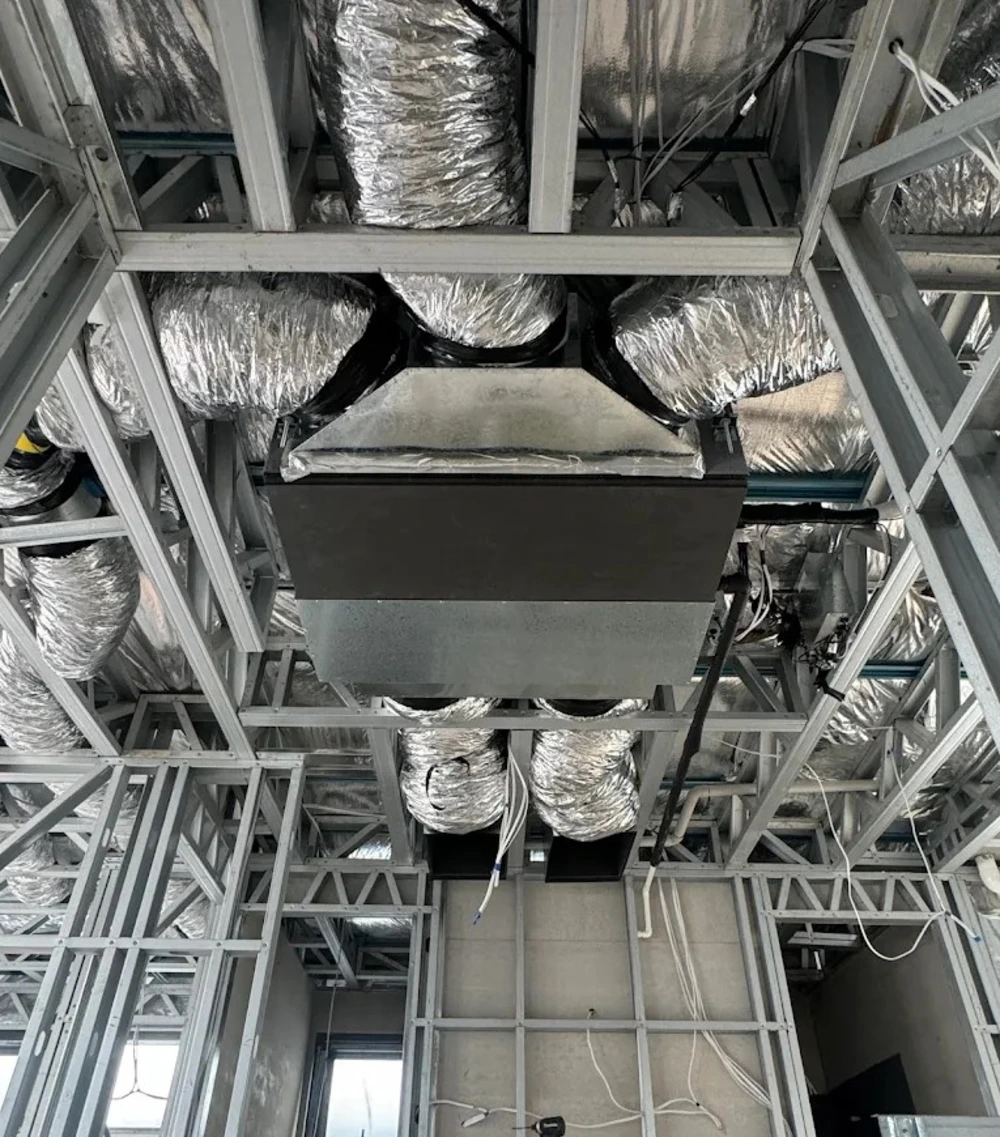
A professional ducted heating installation begins with careful planning. Heating specialists evaluate room sizes, insulation levels, occupancy patterns, airflow pathways, and overall household requirements before selecting equipment.
Correct duct sizing is particularly important. Ductwork that is too small can restrict airflow, while oversized ducts may reduce system efficiency. Both situations increase energy consumption and reduce comfort.
Professional central heating installation also ensures vents are positioned strategically to support balanced airflow throughout the property.
When all components work together correctly, homeowners benefit from better energy performance, improved comfort, and peace of mind knowing their system will last longer with proper care.
Why System Sizing Affects Efficiency
One of the most overlooked factors in heating performance is system sizing. Many homeowners assume a larger unit automatically delivers better results. In reality, this is rarely the case.
A properly sized central heating installation is designed to meet the property’s specific heating demands. During heating upgrades, professionals often discover systems that were selected based solely on floor area rather than actual heating requirements. While larger units may seem beneficial, they frequently consume more energy because they cycle on and off too often.
Undersized systems often run continuously while struggling to maintain comfortable temperatures. This increases energy consumption and places additional strain on components.
Oversized systems create a different problem. They heat rooms too quickly and switch off repeatedly. This process, known as short cycling, reduces efficiency and can increase wear over time.
Professional heating assessments help determine the correct capacity for each property. By selecting equipment that matches actual heating requirements, homeowners achieve better comfort and improved energy performance.
Residential Heating Solutions For Every Season
Melbourne’s heating requirements extend well beyond winter. Long autumns, cool spring mornings, and unpredictable weather patterns mean many households use heating for much of the year.
Unlike colder regions where heating demand is concentrated during winter, Melbourne homes often require temperature control across multiple seasons. This makes efficiency throughout the year more important than short-term winter performance alone.
Modern residential heating solutions are designed to handle these seasonal transitions efficiently. Rather than operating at full output whenever temperatures drop, advanced systems adjust performance based on actual demand. This flexibility of central heating installation helps maintain comfort while avoiding unnecessary energy consumption.
Smart controls can further improve efficiency by learning usage patterns and automatically adjusting operations. Homeowners gain greater control over both comfort and energy costs without constantly changing settings.
The ability to adapt across multiple seasons makes central heating a practical long-term investment for Melbourne properties.
Professional Heating Installation Creates Lasting Value
A high-performing heating system is the result of thoughtful design, quality equipment, and expert workmanship. While modern technology plays an important role, installation expertise often determines whether a system reaches its full efficiency potential. A professional central heating installation process considers everything from property layout and insulation levels to airflow requirements and future household needs.
Experienced installers focus on creating balanced, efficient systems that deliver reliable comfort while minimising energy waste. They also ensure compliance with Australian standards and manufacturer requirements, helping protect both performance and safety.
For Melbourne homeowners, investing in professional installation often translates into lower running costs, improved reliability, and a more comfortable home for years to come. Combining professional heating repair and installation services helps maintain system efficiency, reliability, and long-term performance.
Conclusion
Melbourne’s famous “four seasons in one day” climate places unique demands on home heating. Homeowners need systems that respond efficiently to changing temperatures, support flexible lifestyles, and help control rising energy costs. A professionally designed central heating installation delivers that balance through consistent comfort, smarter energy management, and reliable year-round performance.
If you are planning a heating upgrade or looking for a more efficient way to keep your home comfortable, contact Pergz Air today to discuss tailored central heating solutions designed specifically for Melbourne homes.