When comparing ducted vs split system running cost, the short answer is: split systems are almost always cheaper to run for smaller homes or when you only need to cool or heat a few rooms. Ducted systems cost more to operate daily but can be more economical per square metre in large, open-plan homes where whole-house conditioning is needed constantly.
What’s the Difference Between Ducted and Split System Air Conditioning?
Before diving into the numbers, it helps to understand what each system actually does. A ducted air conditioning system uses a central unit — typically installed in the roof cavity or under the floor — that distributes conditioned air through a network of ducts to multiple rooms or zones throughout the house.
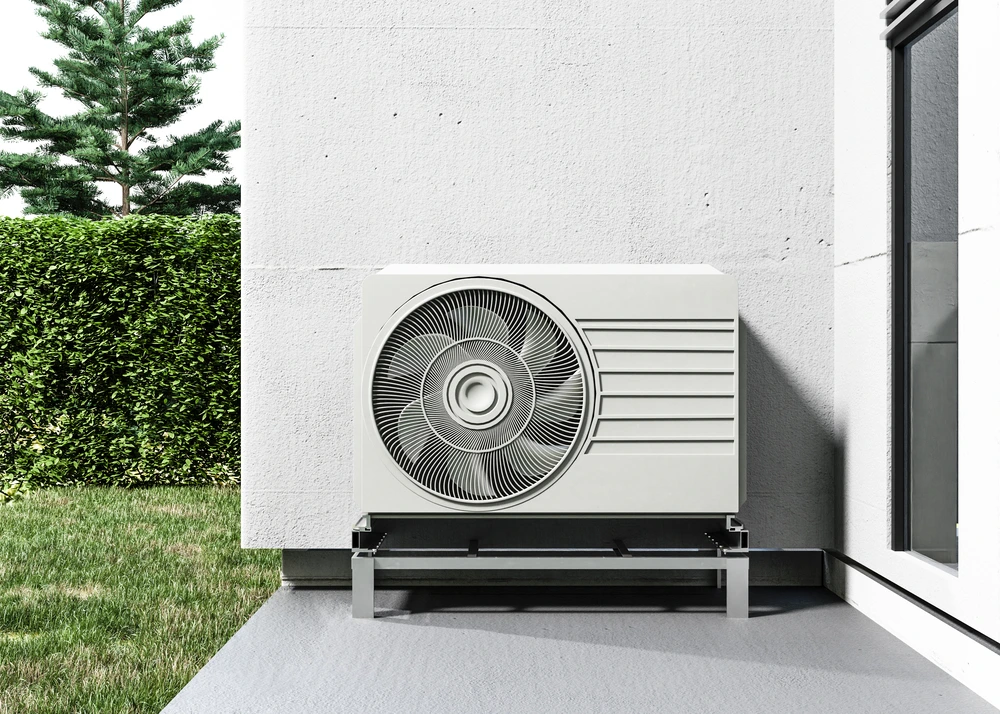
A split system, on the other hand, consists of an indoor wall unit connected to an outdoor compressor. It conditions a single room or open-plan area. A multi-head split system installation extends this concept, connecting multiple indoor units to one outdoor compressor — a popular middle-ground solution for Melbourne homes.
Both use reverse-cycle technology, meaning they can heat and cool efficiently. The key differences come down to coverage, control, upfront cost, and — critically for most homeowners — how much they cost to run day to day.
How Much Does a Ducted Air Conditioner Cost to Run in Australia?
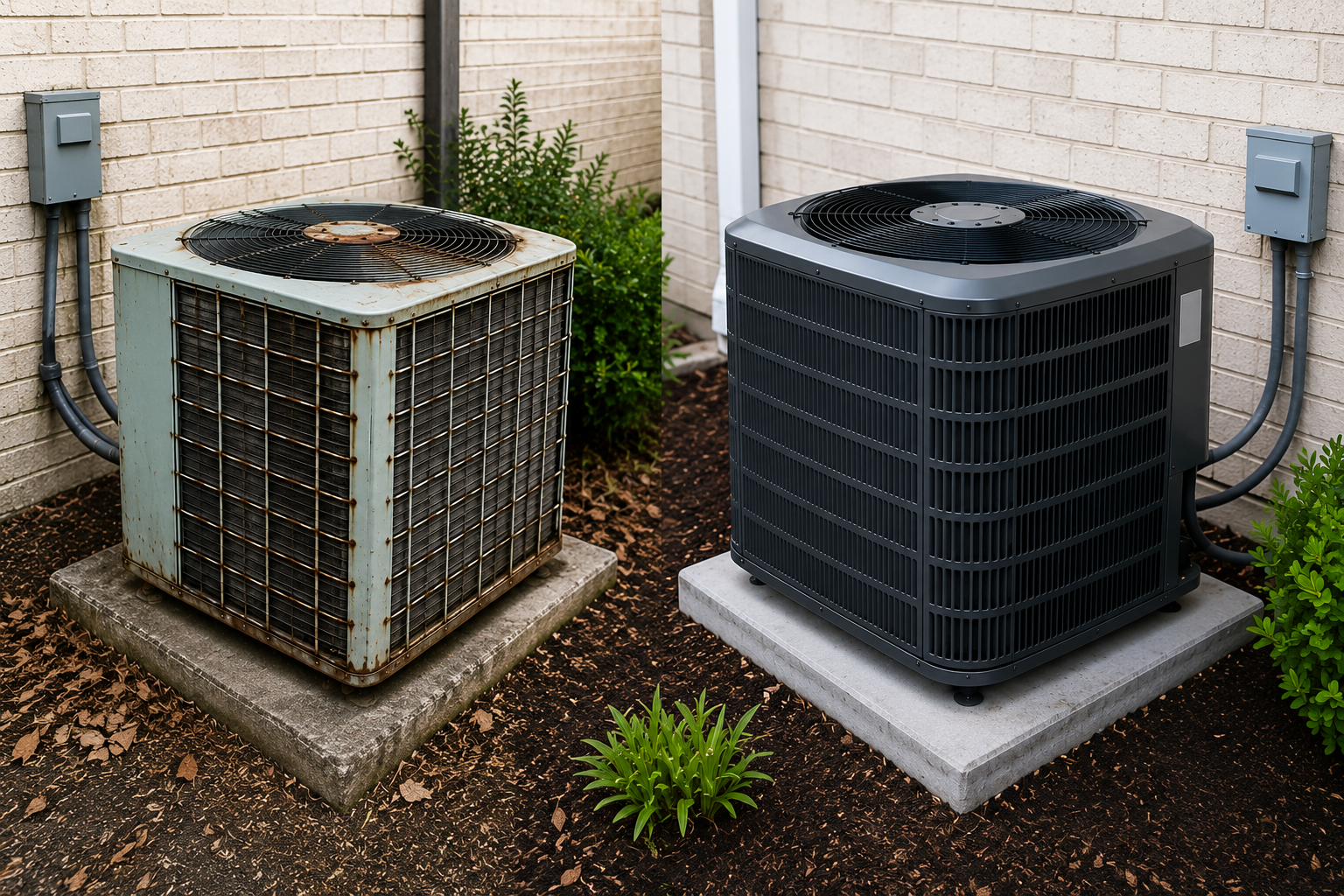
Running a ducted system costs significantly more than most people expect, particularly if you’re not using zoning controls. A typical ducted reverse-cycle system draws between 3 kW and 10 kW of power depending on the home’s size and the outdoor temperature.
At an average Australian electricity rate of around 30–35 cents per kWh (which varies by state and retailer), here’s what you can expect to pay:
- Small ducted system (3–5 kW input): approximately $0.90–$1.75 per hour
- Medium ducted system (5–8 kW input): approximately $1.75–$2.80 per hour
- Large ducted system (8–12 kW input): approximately $2.80–$4.20 per hour
Run a large ducted system for 8 hours a day over a three-month summer, and you could be looking at $2,000–$3,000 in electricity costs for that season alone. Zoning — where you only condition occupied rooms — can cut this by 30–50%, but many older ducted installations don’t have smart zoning capabilities.
How Much Does a Split System Cost to Run Per Day?
Split systems are considerably more energy-efficient on a per-room basis. A typical wall-mounted reverse-cycle split system draws between 0.5 kW and 2.5 kW depending on its capacity rating and the conditions it’s working in.
At current Australian electricity rates, running costs look like this:
- Small split system (2–2.5 kW): approximately $0.15–$0.50 per hour
- Medium split system (3.5–5 kW): approximately $0.35–$0.90 per hour
- Large split system (6–8 kW): approximately $0.60–$1.40 per hour
For a typical three-bedroom home where you’re cooling the living area during the day and a bedroom at night, you might run two split systems for a combined cost of $1.00–$2.00 per hour — a fraction of what a whole-house ducted system costs. You can explore single head split system installation options if you’re starting with just one room.
Ducted vs Split System Running Cost: Side-by-Side Comparison
The table below compares the two system types across the key factors that affect your long-term running costs and overall value:
| Factor | Ducted System | Split System |
|---|---|---|
| Average hourly running cost | $1.75–$4.20 | $0.15–$1.40 |
| Typical energy star rating | 2–4 stars | 3–6 stars |
| Zoning capability | Yes (with smart zoning) | Built-in (each unit is a zone) |
| Best suited for | Large homes, whole-house conditioning | 1–4 rooms, targeted comfort |
| Supply and install cost | $8,000–$20,000+ | $1,200–$4,500 per unit |
| Annual maintenance cost | $200–$400 | $80–$150 per unit |
| Lifespan | 15–20 years | 10–15 years |
| Aesthetic impact | Minimal (concealed ducts) | Visible wall unit |
What Factors Actually Affect Your Running Costs?
The numbers above are useful benchmarks, but your real-world running costs depend on several variables specific to your home and how you use your system.
Home insulation and ceiling height play a major role. A poorly insulated home in Melbourne’s western suburbs will cost far more to condition than a well-sealed modern build, regardless of which system type you choose. Ceiling heights above 2.7 metres also increase the volume of air that needs conditioning.
Usage patterns are arguably the biggest factor. If you’re home all day and need every room comfortable, a ducted system with smart zoning may actually be comparable in cost to running four or five separate split systems. But if you’re out during the day and only need one or two rooms cooled in the evening, a split system wins hands down.
Other factors include:
- The system’s energy star rating (higher is better)
- Local climate — Melbourne’s variable weather differs significantly from Brisbane or Darwin
- Whether you have solar panels to offset electricity consumption
- How regularly the filters and coils are cleaned and serviced
- The age and condition of the system’s refrigerant charge
Can You Reduce Ducted Air Conditioning Running Costs?
Yes — and there are several practical strategies that make a real difference. The most impactful is installing or upgrading to smart zoning. Modern ducted systems with zone controllers let you close off unoccupied rooms entirely, so you’re only conditioning the spaces you’re actually using. This alone can cut running costs by 30–50%.
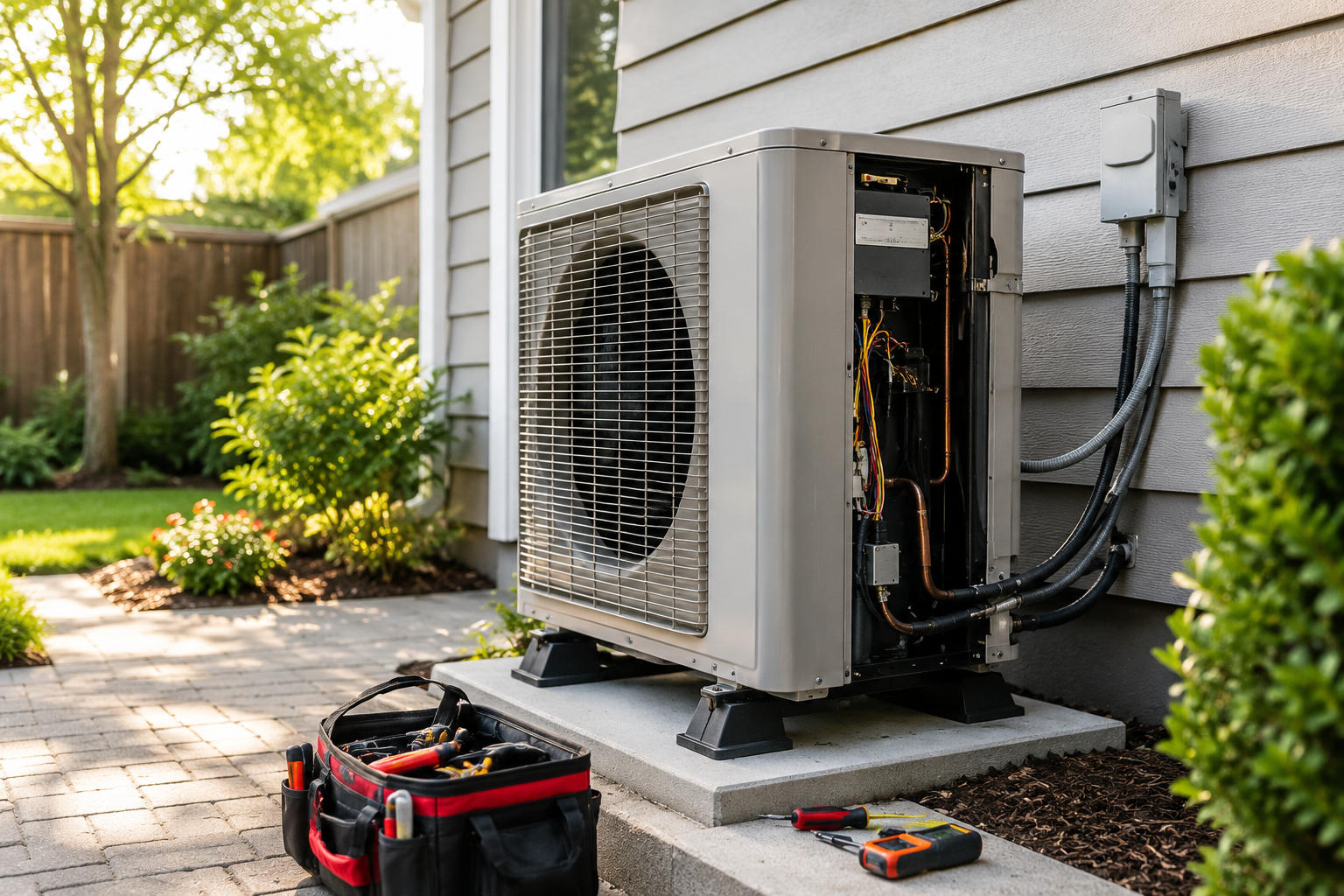
Regular servicing is another non-negotiable. Dirty filters force the system to work harder, increasing energy consumption by up to 15%. Most manufacturers and Australian standards recommend a professional service at least once a year — more frequently in dusty environments or homes with pets.
Setting your thermostat to 24–26°C for cooling and 18–20°C for heating is the sweet spot recommended by energy efficiency bodies. Every degree lower in summer or higher in winter adds roughly 5–10% to your running costs.
Is a Multi-Head Split System a Better Option Than Ducted?
For many Australian homes — particularly those in the 150–300 m² range — a multi-head split system offers the best of both worlds. You get whole-home coverage without the expense and energy consumption of a full ducted installation.
Each indoor unit operates independently, so you can run just the living room unit during the day and switch to the bedroom units at night. There are no duct losses (which can account for 20–30% of energy waste in poorly sealed ducted systems), and the individual units typically carry higher energy star ratings than ducted equivalents.
The trade-off is aesthetics — you’ll have visible wall units in each room — and the upfront cost can approach ducted pricing for larger configurations. That said, the ongoing running cost savings often justify the investment within a few years. For professional guidance on your specific home layout, the team at Pergz Air’s split system installation service can assess the best configuration for your needs.
When to Call a Professional
Choosing between ducted and split system air conditioning isn’t just a financial decision — it’s a technical one that depends on your home’s construction, existing electrical capacity, roof space, and how the building performs thermally. Getting it wrong means years of unnecessarily high energy bills.
You should call a licensed air conditioning professional when:
- You’re unsure which system capacity (kW) suits your home’s size and layout
- Your existing ducted system is more than 12–15 years old and running costs have increased noticeably
- You’re building or renovating and need to plan conduit or duct runs before walls are closed
- You want to add zones to an existing ducted system
- You’re considering a multi-head split system and need to know if your switchboard can handle the load
Pergz Air offers licensed installation across Melbourne, including suburbs like Bentleigh East and Balwyn. Getting a proper load calculation and site assessment upfront will save you far more than the cost of the consultation.
Conclusion
When it comes to ducted vs split system running cost, split systems consistently win for smaller homes, targeted room conditioning, and households with variable occupancy patterns. Ducted systems can be cost-effective in large homes with smart zoning — but only when they’re properly sized, well-maintained, and used strategically.
The most important step is matching the right system to your actual usage habits and home size, rather than defaulting to what the previous owners installed or what looks impressive in a showroom. If you’re ready to make a smart, cost-effective decision for your home’s comfort in 2026, reach out to the team at Pergz Air for an honest assessment and competitive installation quote.
Frequently Asked Questions
Is ducted or split system air conditioning cheaper to run?
Split systems are cheaper to run in most Australian homes, particularly when you only need to condition one to three rooms at a time. Ducted systems cost more per hour to operate but can be comparable in large homes with smart zoning where whole-house conditioning is needed throughout the day.
How much does it cost to run a ducted air conditioner per day in Australia?
A ducted air conditioner in Australia typically costs between $8 and $30 per day to run, depending on system size, home insulation, and how many zones are active. At current electricity rates of 30–35 cents per kWh, a large ducted system running 8 hours daily can cost over $25 in a single day during peak summer.
How much does it cost to run a split system per day in Australia?
Running a standard reverse-cycle split system in Australia costs roughly $1.50 to $8 per day depending on the unit’s capacity, the outdoor temperature, and how many hours it operates. A 3.5 kW unit running for 6 hours at average electricity rates costs approximately $3–$5 per day.
What is the most energy-efficient air conditioning system in Australia in 2026?
Reverse-cycle split systems with high energy star ratings — particularly inverter models rated 5 stars or above — are currently the most energy-efficient option for Australian homes. Multi-head split systems offer similar efficiency across multiple rooms without the duct losses associated with ducted systems.
How much does split system installation cost in Melbourne?
Split system installation in Melbourne typically costs between $1,200 and $2,500 for a single unit, including supply and installation by a licensed technician. Multi-head systems or installations requiring longer refrigerant line runs or switchboard upgrades will cost more. Always get a fixed-price quote from a licensed installer before proceeding.
Does a ducted air conditioner add value to a home in Australia?
Yes — a ducted reverse-cycle air conditioning system generally adds value to an Australian home, particularly in southern states like Victoria where both heating and cooling are essential. However, the value added depends on the system’s age, condition, and whether it has modern zoning controls. Buyers increasingly favour energy-efficient systems with smart controls.