Melbourne’s weather has a personality of its own. One day, you are reaching for a jacket, and the next, you are searching for relief from dry summer heat. That is exactly why choosing the right air conditioner installation matters more than most homeowners realise. A well-planned system does not just cool your home; it improves comfort, energy efficiency, and the way you live every day.
Whether you are renovating, building a new property, or replacing an outdated unit, the options can quickly become overwhelming. Split systems, ducted cooling, energy ratings, zoning, and installation requirements all sound straightforward until you are comparing quotes and trying to understand what actually suits your Melbourne home.
The good news is that selecting the right air conditioner installation in Melbourne becomes much easier when you understand the basics. With the right advice, quality workmanship, and a system designed for your space, you can enjoy reliable year-round comfort without unnecessary stress or costly mistakes.
Types of Air Conditioner Installations
Not all air conditioner installations are created equal. The main options for Melbourne homes are split-system units (including multi-split), ducted systems, and, in some cases, evaporative coolers. Each has its own pros and cons. Let’s break them down:
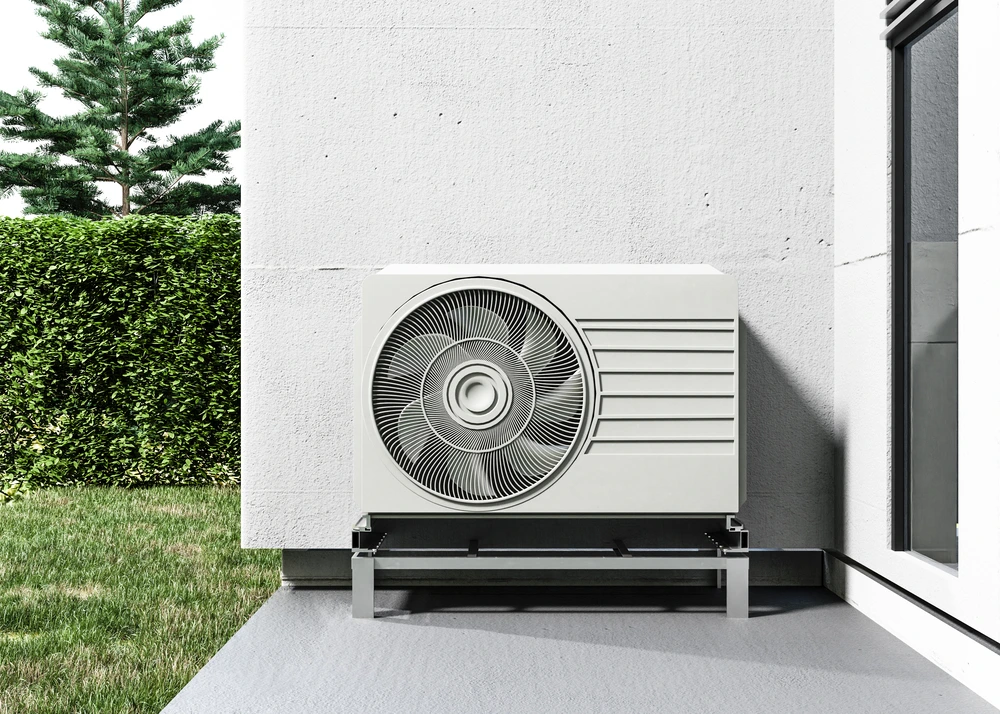
Split System (Single-Zone): This setup has one indoor wall unit and one outdoor compressor. It’s one of the most common installations for a single room or open-plan area. The outdoor unit sits on a bracket outside or on the ground, and the indoor unit is usually mounted high on a wall.
Multi-Split System: Similar to a split system, but one outdoor unit is connected to two or more indoor units. This lets you cool/hear multiple rooms independently, with just one outdoor compressor.
Ducted Air Conditioning: A central outdoor (or rooftop) unit connects to a network of ducts and ceiling vents in each room. With ducted AC, the system can cool or heat your entire home through hidden vents. It’s great for whole-house comfort, but installation is more complex and disruptive.
Evaporative Cooling (Fresh Air): Common in drier parts of Australia, these systems use outside air and water evaporation. They are generally cheaper to run in dry heat, but less effective in humid climates.
To visualise, here’s a quick comparison:
| System Type | Pros | Cons |
| Single Split AC | Relatively low cost and easy to install; can be zoned per room. | Only cools/heats one area per unit; the indoor unit is visible. |
| Multi-Split AC | Cools multiple rooms with one outdoor compressor; flexible zoning. | Higher upfront cost; more refrigerant lines; complex install. |
| Ducted AC system | Whole-home cooling/heating; hidden vents for a clean look; zoned control possible. | Very high installation cost; major home modifications; space for ducting required. |
| Evaporative Cooling | Energy-efficient in dry heat; fresh air ventilation. | Less effective in humid conditions; regular maintenance (filters, pumps). |
Considering the Air Conditioner Size and Energy Efficiency
Getting the right size and efficiency rating for your new air conditioner is key. If the system is too small, it won’t cool or heat your space effectively on the hottest or coldest days. If it’s too large, you’ll waste money; a bigger unit costs more upfront and can run inefficiently with short cycling.
- Sizing (kW Capacity): Air conditioners are rated by output in kilowatts (kW). A common rule of thumb is roughly 125 watts per square meter for a typical well-insulated room, but this can vary. Factors like ceiling height, insulation, number of windows, and local climate all affect the ideal size. It’s wise to get a professional load calculation or at least a retailer’s guidance on the right kW rating.
- Energy Efficiency Rating: Look for a high star rating on the energy label. In Australia, air conditioners must meet Minimum Energy Performance Standards, and most indoor units display a Zoned Energy Rating Label that accounts for your climate zone. More stars mean lower running costs. In Melbourne’s temperate climate (with cold winters), consider a unit with a strong heating rating.
- Seasonal Factors: Melbourne falls in the Average climate zone on energy labels. A unit with 5–6 stars for your zone will generally be a smart choice. You can use the star rating on the product label to compare efficiency: the more stars, the more you save over time.
Before installing, also consider home efficiency improvements. Sealing drafts around doors and windows, and adding insulation in ceilings or walls, means your AC can work less and save energy. An efficient home setup makes any air conditioner work better.
Air Conditioning Installation Compliance in Melbourne
Installing an air conditioner is definitely not a DIY weekend project. In Victoria, strict regulations ensure safety and quality. Here’s what you need to know:
Licensed Installers Only: By law, your installer must be fully licensed. In Victoria, refrigerant work requires a VBA-registered plumbing practitioner with a Refrigerant Handling Licence. Any electrical work must be done by a licensed electrician or a Registered Electrical Contractor (REC). In other words, the installer team typically includes a qualified air-conditioning technician and an electrician.
Certificates of Compliance: After installation, you must receive an Electrical Safety Certificate and a Plumbing Compliance Certificate. Only properly trained and licensed installers can provide these. These documents are vital: they prove the work meets safety standards and often are required for the manufacturer’s warranty to remain valid.
Why It Matters: Hiring unqualified handyman types might seem cheaper, but it’s risky. Incorrect refrigerant handling can release harmful gases, and improper wiring can cause fires. Using a licensed professional not only protects your family but also your investment.
Finding the Right Installer: Look for companies that advertise their credentials: VBA-registered Refrigerated Air-Conditioning Plumber, or explicitly state they provide a COES. Check the Energy Safe Victoria (ESV) website or VBA’s register online to verify licences. Ask for proof of licence before signing any contract. Also ask about warranties: a confident installer will offer a workmanship warranty in addition to the product warranty.
Hiring a reputable installer also means they’ll properly size the system, place the units optimally, test everything, and explain maintenance. A great installer might even spot home insulation gaps or cooling needs you didn’t consider.
Important Climate Factors to Consider
Living in Melbourne means dealing with both summer heatwaves and winter chills. Your air conditioning installation should cater to the local climate:
Climate Zones: Melbourne is in a moderate climate zone on the energy label. A reverse-cycle unit is ideal. Often, Victorians need more heating than cooling, so you may want a unit with strong heating efficiency. The Zoned Energy Rating Label can tell you star ratings specifically for “cold” and “hot” climate zones.
Home Orientation and Insulation: Consider how much sun your home gets and its insulation. A north-facing living room with big windows might overheat in summer, so blinds or external shades could help your AC workload. Roof and wall insulation help in both seasons.
Energy Rebates: Check if you’re eligible for incentives. In Victoria, the Victorian Energy Upgrades (VEU) program offers discounts on installing efficient reverse-cycle air conditioners in homes. Under VEU, eligible systems come with special rebates. If you meet income or concession criteria, you might save money on installation.
Noise and Neighbours: Melbourne’s suburban areas can be close-knit. Split systems usually have quieter indoor units but outdoor compressors that hum or click. Ducted systems are very quiet inside but have a slightly louder outdoor unit. Think about locating outdoor units away from bedroom walls or neighbour boundaries to avoid noise complaints. Some council areas have strict rules on how many decibels an outdoor unit can emit at night, so a quiet (high-quality) model may be worth it.
How to Choose Reliable Air Conditioning Installers
Once you’ve zeroed in on the type of system you want, it’s time to pick an installer. Here are some tips to navigate that choice:
Research and Quotes: Contact several Melbourne-based AC installation services and get written quotes. Compare not just price, but also the proposed brand/model, inclusions, and timeline. Beware quotes that seem too cheap; they might cut corners.
Check Credentials: As mentioned, ensure they are licensed for both refrigeration and electrical work. Good installers often belong to industry associations (like AIRAH or Master Builders) and display those logos.
Experience and References: Ask how many installations they do annually. Have they worked on homes similar to yours? If possible, read online reviews or ask neighbours/friends for recommendations. A local, established company is often better than a fly-by-night operator.
Visit Their Showroom or Dealer: If they have a physical store, drop by to see the equipment and ask questions. Seeing units in person can help you understand the product and get a feel for their professionalism.
Warranty and Maintenance: A professional installer will offer at least a 1–2 year workmanship guarantee. Ask about after-sales service: do they offer annual servicing packages? How do they handle service calls and replacement parts?
Remember: Good communication is key. If the installer explains things clearly and listens to your needs, that’s a good sign. If they pressure-sell or dismiss your questions, keep looking.
Conclusion
Choosing the right cooling system is not simply about buying the biggest unit or chasing the lowest quote. The right air conditioner installation should suit your property size, lifestyle, energy goals, and Melbourne’s changing climate conditions. From split systems for smaller homes to fully ducted solutions for larger spaces, every decision plays a role in long-term comfort, efficiency, and running costs. Working with experienced professionals also ensures your system performs properly from day one.
A quality installation brings more than cool air. It improves airflow, reduces energy waste, lowers maintenance issues, and creates a more comfortable indoor environment throughout the year. By comparing system types, checking installer qualifications, and understanding your home’s requirements, you can make a confident investment that delivers reliable results for years to come.
If you are planning a new air conditioner installation, the Pergz Air provides professional heating and cooling solutions tailored for Melbourne homes and businesses. From split system installations to ducted air conditioning and ongoing support, their experienced technicians focus on quality workmanship and reliable service. Contact our team today to discuss your cooling needs and arrange a personalised solution for your property.
FAQs:
1. How do I choose the right air conditioner installation for my home?
The right system depends on your home size, layout, insulation, and cooling needs. Split systems are ideal for single rooms or apartments, while ducted systems suit larger homes that require whole-house comfort. A professional assessment helps ensure the system is correctly sized and energy efficient.
2. Should I hire licensed air conditioning installers in Melbourne?
Yes, licensed air conditioning installers ensure your system is installed safely, complies with Australian standards, and performs efficiently. Qualified professionals also help protect your manufacturer’s warranty and reduce the risk of future repair issues.
3. Is split system air conditioner installation suitable for older homes?
Yes, split system air conditioner installation works well for many older Melbourne homes because it requires minimal structural changes. It is a practical option for homes without existing ductwork and provides efficient heating and cooling for individual rooms or living areas.