Apartment air conditioning Melbourne installations require careful planning because approvals, common property, outdoor-unit locations, neighbours and building access can all affect the job. Pergz Air recommends checking these matters before purchasing equipment so you know whether your proposed installation is practical.
Apartment installations often involve less flexibility than detached homes because pipework, drainage and outdoor equipment may need to fit within strict building limitations.
Check Owners Corporation Requirements
If you own an apartment, determine whether the installation affects common property or the building’s external appearance.
This may include:
- Balcony condenser units
- External pipework
- Wall penetrations
- Roof-mounted equipment
- Common corridors
- Shared service areas
- External brackets
Building rules vary, so you should confirm approval requirements with your owners corporation or building manager.
Pergz Air can provide relevant installation information where required for planning or approval discussions.
Ask About Building-Specific Air Conditioning Rules
Some apartment buildings have specific requirements for air-conditioning systems.
Rules may cover:
- Outdoor unit positions
- Noise
- Drainage
- External appearance
- Installation hours
- Contractor access
Before arranging apartment air conditioning Melbourne work, request any renovation forms or building guidelines that apply.
This can help avoid delays after equipment has already been purchased.
Outdoor Unit Placement Is Often the Main Challenge
Balconies are commonly used for condensers, but available floor space alone does not make a location suitable.
The unit needs proper ventilation and manufacturer clearances.
It should also remain accessible for maintenance.
Pergz Air can assess whether a proposed balcony location allows enough airflow without taking up unnecessary usable space.
Be Careful With Screens
Owners corporations sometimes prefer outdoor units to be screened.
Screens may improve appearance, but they should not block condenser airflow.
Tightly enclosing a unit can interfere with heat transfer and servicing access.
Always consider the manufacturer’s clearance requirements before adding cabinetry or screening.
Noise Matters in Apartments
Neighbouring bedrooms and balconies can be only a short distance away.
Outdoor-unit placement should account for compressor noise, fan noise and vibration.
The shortest pipe route is not always the best location if it places equipment directly beside a bedroom window.
Pergz Air can consider the surrounding apartment layout when discussing condenser placement.
Condensate Drainage Needs Planning
Air conditioners produce water during cooling.
In an apartment, condensate should not simply drip onto balconies, neighbouring property or common walkways.
The installer needs to identify an appropriate drainage route.
This should happen before the indoor unit is installed.
Pipework Routes Can Affect Approval
Refrigerant lines connect the indoor and outdoor units.
The most direct path may sometimes cross building elements or areas controlled by the owners corporation.
Pipe routes should consider:
- Building structure
- Appearance
- Existing services
- Maximum pipe lengths
- Maintenance access
- Building rules
Pergz Air can assess possible pipe routes during the initial site visit.
Installer Access Can Affect the Installation
Apartment jobs may involve additional access requirements.
These can include:
- Lift bookings
- Loading areas
- Contractor parking
- Building working hours
- Equipment transport
- Higher-level external access
Speak with your building manager before installation day so contractors can enter and move equipment without unnecessary delays.
Electrical Capacity Should Be Checked
Air-conditioning systems may require electrical work depending on the existing switchboard and proposed equipment.
Older apartment switchboards may need closer assessment.
This does not automatically mean major upgrades are required, but potential electrical work should be identified early.
Choose the Right System
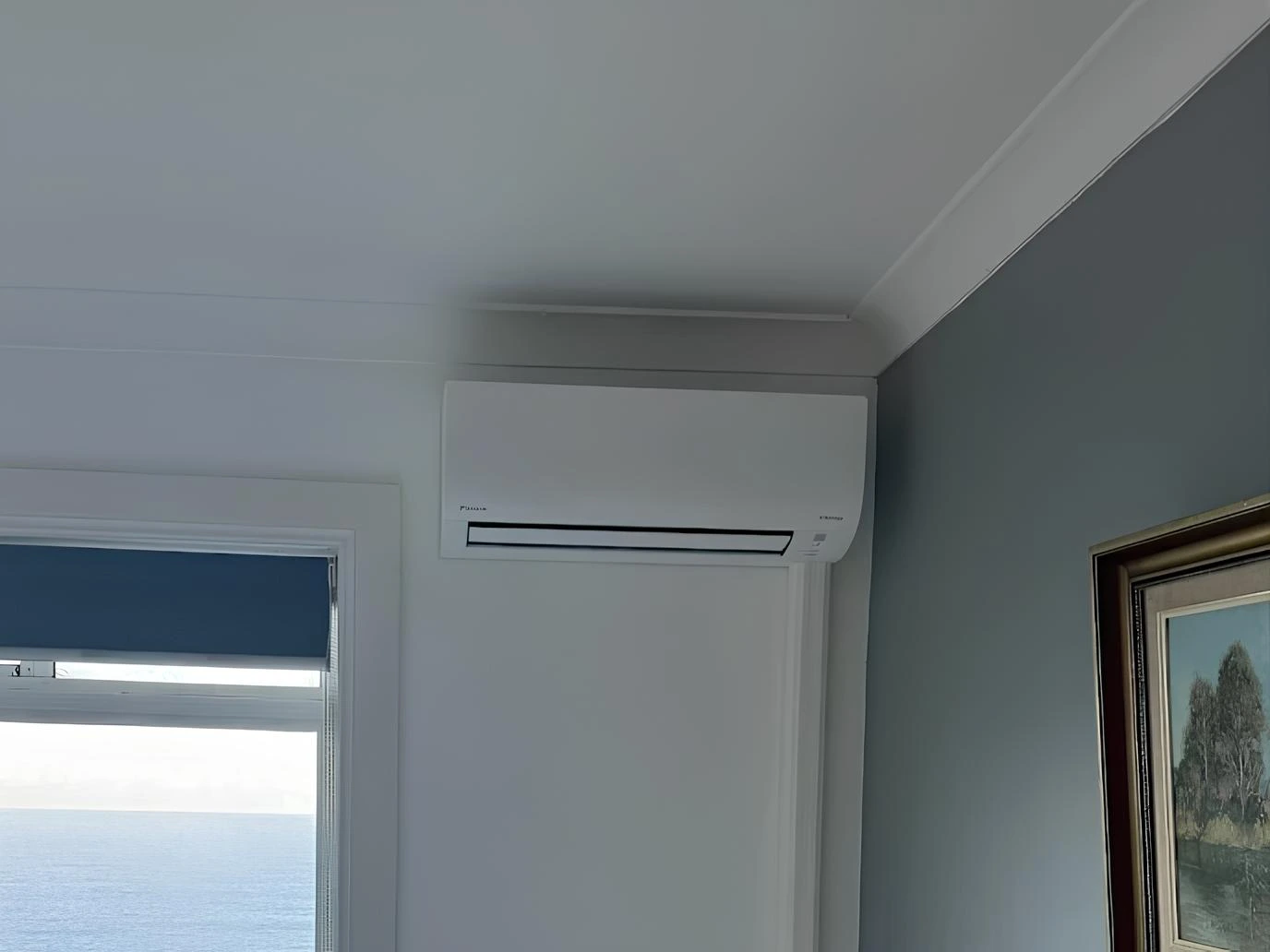
Wall-mounted split systems can suit individual living rooms or bedrooms.
Larger apartments may require several systems or another configuration.
Capacity should consider:
- Floor area
- Ceiling height
- Window area
- Orientation
- Insulation
- Occupancy
- Internal heat loads
Choosing equipment based only on apartment size can lead to poor results.
When to Call a Professional
Arrange an inspection before buying equipment if your apartment has limited balcony space, difficult drainage, strict building rules or challenging access.
A professional assessment can identify limitations before they become costly installation problems.
Pergz Air can assess apartment layouts throughout Melbourne and help determine suitable indoor and outdoor unit positions.
Conclusion
A successful apartment air conditioning Melbourne installation starts with planning.
Approvals, drainage, airflow, noise, outdoor-unit placement, electrical requirements and installer access all need consideration.
Contact Pergz Air to arrange an apartment air-conditioning assessment and discuss an installation approach suited to your Melbourne property.
FAQs
Do I need owners corporation approval?
You may need approval if the installation affects common property or changes the external appearance of the building.
Can an outdoor unit go on a balcony?
Often yes, provided building rules, airflow, clearances, noise and access requirements are satisfied.
Can condensate drain onto a balcony?
The drainage route should be properly planned rather than allowing water to discharge wherever convenient.
Should I buy the air conditioner before getting approval?
It is usually better to confirm building requirements and installation feasibility first.