
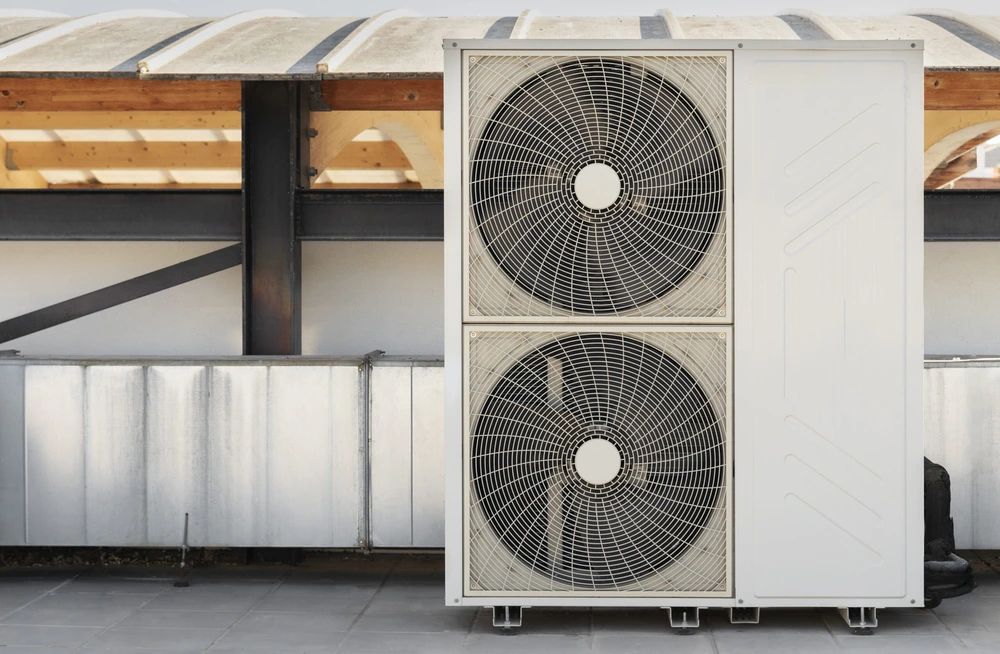
Melbourne’s weather is known for keeping people on their toes. A cool morning can quickly turn into a warm afternoon, making a reliable air conditioning system an important part of maintaining year-round comfort. Whether you are upgrading an outdated unit or planning a new installation, choosing the right air conditioning contractor can have a lasting impact on your system’s performance, efficiency, and lifespan.
Taking the time to assess each proposal carefully can help you avoid costly surprises down the track. By understanding how to compare quotes from an air conditioning contractor in Melbourne, you can make a well-informed decision that balances quality, reliability, and long-term value for your Melbourne property.
Why Comparing Air Conditioning Quotes Matters
Before you even start collecting quotes, spend time clarifying the work you need. In my experience, the biggest cause of wildly different quotes is simply a vague brief. To compare apples to apples, describe your needs in plain language. For example, specify the type of system and any extra features. Attach photos or floor plans of the area and list any constraints, narrow staircases, tight ceiling spaces, or parking restrictions for the installer’s van.
Bullet-proof your request by including:
- Exact outcome: “Install a 2.5 kW split-system (brand/model) in the living room wall, plus a 3.5 kW unit in the main bedroom.”
- Site details: Photos of the wall/ceiling; note whether it’s double brick and whether a ladder or lift is needed for upstairs.
- Access and timing: No large-truck parking on narrow streets; need work done on the weekend.
- Inclusions: Specify who provides copper piping, electrical cabling, mounting brackets, site cleanup, etc.
- Other trades: Mention if you already have an electrician or if you need the contractor to handle any switchboard upgrades, plumbing, etc.
A clearer brief means contractors quote the same job. By standardizing your scope, you can more easily see which quote truly offers the best deal.
What Should an Air Conditioning Contractor Quote Include?
A good quote is like a detailed recipe, not just a total price. According to Australian industry guidelines, every quote should spell out what’s being done and what’s not included. For example, the AIRAH (Australian Institute of Refrigeration, Air Conditioning & Heating) best practice recommends your quote list:
- System specs: Exact make, model, and capacity of the equipment.
- Calculated capacity: How the installer sized the system (room sizes, climate assumptions). This ensures the unit’s big enough for your space.
- Performance details: Cooling/heating capacity at given indoor/outdoor temps; projected noise level; number and location of vents/outlets.
- Workscope: Labour tasks, including mounting, piping, wiring, and testing. List inclusions and exclusions.
- Pricing breakdown: Separate line items for labour and materials. If possible, a schedule of payments.
- Timeline and terms: How long the work will take and a rough start/completion window.
- Warranty & service info: Clarify any workmanship guarantee, manufacturer’s warranty on parts, and what after-service is offered.
How to Compare Air Conditioning Installation Costs
When you have two or three detailed quotes in hand, compare them systematically:
- Equipment and brand: Note if they propose different brands/models. A quote for a premium brand will naturally cost more than a budget brand. A higher star rating or inverter technology can save energy bills long-term.
- Capacity (kW rating): Ensure each system’s capacity matches your home’s needs. Don’t be swayed by an undersized “good deal” that will work overtime.
- Labour vs parts: Does one quote include costly extras? Some installers bundle materials, others list them separately. Always ask for labour and materials as separate lines.
- Installation complexity: A $2,500 vs $5,000 quote might both be for a split system, but the higher one may cover drilling through double brick, or a longer pipe run, or installing in a second-story bedroom with scaffolding. Make sure the quotes assume the same job conditions.
- Permits and compliance: In Melbourne, any plumbing work or electrical alterations must meet local codes. Check if the installer will handle permits, safety checks, or if you must arrange them. Don’t agree to pay extra later for council fees or inspections that were assumed to be included.
- Safety and insurance: Ensure the air conditioning contractor has public liability insurance. A reputable contractor will list their insurance cover in writing. If one quote is very cheap but the installer is uninsured, that’s a red flag.
- Warranty and aftercare: Compare service warranties. If one company offers 5 years of labour but another offers none, the higher quote may be worth it. In practice, this means confirming that the installer’s work won’t invalidate the manufacturer’s warranty.
A simple table can help visualise the differences:
| Feature / Cost | Quote A | Quote B |
| System type & brand | Daikin 2.5 kW split | Fujitsu 3.5 kW split |
| Total price (incl. install) | $3,800 | $4,200 |
| Equipment cost | $1,200 | $1,400 |
| Labor & installation | $2,000 | $2,400 |
| Excluded items | Council fees, cabling | Additional wall bracketing |
| Energy rating (star) | 4.5★ | 5★ |
| Warranty (parts/labour) | 5 years / 1 year | 7 years / 2 years |
| Scheduled start | 3 weeks | 1 week |
| Notes | Basic model; long pipes | Premium model, urgent |
If you spot any missing line items, ask the contractor to clarify or update them. The goal is matching inclusions; each quote should cover the same scope before you compare prices.
How to Evaluate Air Conditioning Services Beyond the Price
It helps to have a rough idea of market pricing in Melbourne. For supply-and-install projects, a 2026 pricing guide shows roughly:
- Split-system (one indoor & outdoor unit): ~$1,200 – $5,500.
- Multi-split (2–5 indoor units on one outdoor): ~$4,500 – $15,000.
- Ducted whole-home: ~$8,000 – $28,000+.
- Evaporative cooling: ~$3,500 – $8,000.
Keep these benchmarks in mind. If one quote is drastically below these ranges, double-check its scope. If it’s way above, ask why. The cheapest quote isn’t always the best. A bargain price may mean omitted work, poor-quality parts, or an unlicensed installer who can’t back up their work.
Choosing a Qualified HVAC Contractor in Melbourne
In Victoria and all of Australia, legal compliance is mandatory. A qualified air conditioning contractor must hold the right licences. For example:
- Refrigerant handling licence: Anyone installing or servicing air conditioners must be ARCTick certified. This ensures they know how to work safely with refrigerant gases. You can verify a contractor’s licence on the ARCTick website or the VBA’s license check.
- Victorian Building Authority (VBA) registration: If major plumbing or electrical work is needed, the installer should be registered appropriately. In any case, they should have the correct builder’s licence for HVAC work in Victoria.
- Memberships and accreditations: Contractors often list memberships like Master Plumbers or AIRAH to show professionalism.
Before you commit, ask to see evidence of licences and insurance. A trustworthy company will readily provide license numbers and proof of insurance. This gives you legal recourse if something goes wrong.
Common Red Flags When Comparing Air Conditioning Quotes
Before accepting a quote, quiz the installer on their proposal. Good questions include:
- “What exactly is included/excluded?”This forces clarity on scope. Get them to explain each major line item and any assumptions.
- “Who supplies the equipment?”Some quotes assume you buy the unit, others include it.
- “How do you handle variations?”: If you change your mind or something unexpected comes up, how will additional costs be managed?
- “What warranties and handover docs do I get?”: You should receive a compliance certificate and a written handover note. Ensure they include manufacturer manuals and your retention certificates.
- “Do you need any permits or inspections?”: On a Melbourne install, a plumbing inspection might be needed for the condensate drain, or an electrical safety check. Clarify who arranges and pays for these.
Watch for red flags in answers:
- If they dodge questions or give vague answers like “We’ll figure it out on the day”, be wary.
- No written proposal? Always insist on a formal quote. A handshake or a text message price is not enough.
- Huge upfront deposit demands before any paperwork is signed are a warning. Reputable firms usually ask for a modest deposit once plans are agreed.
- If the quote is a single lump sum without a breakdown, or if it has way less detail than others, probe further. Transparency matters.
By asking these questions, you’ll see who’s attentive and honest. It’s tedious, but it’s how you weed out the risky operators and ensure your chosen contractor ticks all the legal and quality boxes.
Conclusion
Comparing air conditioning contractor quotes is about more than finding the lowest price. By reviewing system recommendations, installation details, warranty coverage, energy efficiency, and the contractor’s experience, you can make a decision that delivers long-term value. A detailed and transparent quote often reflects the quality of service you can expect throughout the project.
Taking the time to compare options carefully can help you avoid unexpected costs, poor workmanship, and future repair issues. Whether you need air conditioning installation, ongoing maintenance, or air conditioning repair services, choosing a qualified HVAC contractor ensures your system performs efficiently and reliably through Melbourne’s changing weather conditions.
At Pergz Air, we provide professional air conditioning services across Melbourne, including installations, repairs, servicing, and tailored heating and cooling solutions for residential and commercial properties. If you’re planning a new system or upgrading an existing one, request a quote today and let us help you find the right solution for your comfort and budget.