Reduce Air Conditioning Running Costs Australia by setting your air conditioner wisely, sealing heat leaks, cleaning filters, using fans, cooling only the rooms you need and booking regular servicing. In many Australian homes, small changes to how you use your split system or ducted air conditioning can make a noticeable difference without sacrificing comfort.
Air conditioning can feel essential when your home heats up quickly, especially in brick houses, townhouses, older Queenslanders, coastal homes and poorly insulated rentals. The good news is that you do not always need a new system to lower your power bill.
In 2026, rising energy costs mean more households are looking for practical ways to stay cool without wasting electricity. Whether you use reverse cycle air conditioning, a split system, ducted air con or a multi-head unit, your daily habits matter.
Why Air Conditioning Bills Rise So Quickly
Your air conditioner works harder when outdoor heat keeps entering your home. Large west-facing windows, poor insulation, gaps around doors, dirty filters and incorrect temperature settings can all push the system to run longer than needed.
Many homes also have systems that are too large, too small or poorly positioned. An undersized unit may run constantly, while an oversized unit may cycle on and off too often, creating uneven comfort and unnecessary energy use.
Australian Government energy advice suggests setting cooling between 25°C and 27°C where practical, as every degree higher can help reduce energy use. (Energy Australia)
Reduce Air Conditioning Running Costs Australia With Smarter Temperature Settings
The simplest way to Reduce Air Conditioning Running Costs Australia is to stop setting the unit too low. Many people turn the air con down to 18°C or 20°C hoping the room will cool faster, but this usually makes the system work harder for longer.
A good everyday cooling range is around 24°C to 26°C, depending on your home, climate and comfort needs. If your home is well shaded and insulated, you may be comfortable closer to 26°C. If your room gets direct afternoon sun, 24°C may feel more realistic.
Try these practical settings:
- Set cooling to 24°C–26°C instead of 18°C–21°C.
- Use “auto” fan mode rather than maximum fan all day.
- Raise the temperature slightly when you leave the room.
- Avoid constantly switching the system on and off for short periods.
- Use a timer so the unit does not run longer than needed.
Small adjustments often feel minor, but over weeks of hot weather they can reduce waste and improve comfort.
Use Fans to Help Your Air Conditioner
Ceiling fans and pedestal fans do not lower the room temperature, but they help air move across your skin. This can make the room feel cooler, allowing you to set your air conditioner a little higher.
Fans are also much cheaper to run than air conditioning. The Australian Government notes that fans are generally very cheap to run compared with mechanical cooling. (Energy Australia)
For best results, run your fan with the air con instead of using the air con alone. Once the room feels comfortable, you may even be able to switch the air conditioner off and keep the fan running.
Clean Filters and Keep Airflow Clear
Dirty filters are one of the most common causes of poor cooling performance. When dust blocks airflow, your system has to work harder to move cool air around the room.
For a typical home, check your filters every few weeks during heavy use. Wash reusable filters according to the manufacturer’s instructions and let them dry fully before reinstalling them.
Also make sure furniture, curtains or storage boxes are not blocking indoor vents or return air grilles. Outside, keep leaves, grass clippings and debris away from the outdoor unit so it can release heat properly.
Stop Heat Entering Before You Switch the Air Con On
One of the most overlooked ways to cut cooling costs is to reduce heat gain before your air conditioner starts working. YourHome explains that passive cooling uses design choices to reduce heat gain and improve comfort, which can also help reduce energy bills. (YourHome)
You can start with simple low-cost actions:
- Close blinds or curtains before direct sun hits the glass.
- Use external shade where possible, such as awnings or shade cloth.
- Seal gaps around doors and windows.
- Close off unused rooms.
- Avoid using ovens, dryers and heat-producing appliances during the hottest part of the day.
- Open windows later when outdoor air becomes cooler, if conditions suit.
These steps reduce the cooling load, which means your system does not need to work as hard.
Choose the Right Mode for the Job
Many air conditioners have cooling, dry, fan, auto and eco modes. Using the wrong mode can increase running time and reduce comfort.
Cooling mode is best when the room is genuinely hot. Dry mode can help in humid areas because it removes moisture from the air, making the room feel more comfortable without aggressive cooling. Fan mode is useful when the room is already comfortable and you simply need airflow.
Eco mode can be helpful, but it depends on the brand and model. Some systems reduce compressor output, while others adjust fan speed or temperature range. If comfort drops too much, you may end up overriding it, so test it on moderate days first.
Size and Zoning Matter
If your air conditioner is the wrong size for the space, your running costs can increase. A small unit in a large open-plan area may run continuously. A large unit in a small bedroom may short cycle, which can affect comfort and efficiency.
Zoning is also important for ducted air conditioning. Cooling your whole home when you only use the lounge or main bedroom wastes energy. Close unused zones where your system allows it, and avoid cooling rooms that are empty.
The Zoned Energy Rating Label helps compare air conditioner performance across hot, average and cold climate zones in Australia and New Zealand. (Energy Rating) This matters because a unit that performs well in one climate may not be the best choice somewhere else.
Upgrade Only When It Makes Sense
You do not always need to replace your air conditioner to save money. If your system is relatively modern, correctly sized and regularly serviced, better usage habits may be enough.
However, replacement can make sense when your system is old, noisy, unreliable or expensive to run. Energy Rating guidance states that more stars generally mean better efficiency and lower running costs, provided the system suits the space. (Energy Australia)
Pergz Air can help you compare whether maintenance, repairs or replacement is the more sensible option for your home. That advice matters because the cheapest upfront option is not always the cheapest long-term choice.
Keep Your System Serviced
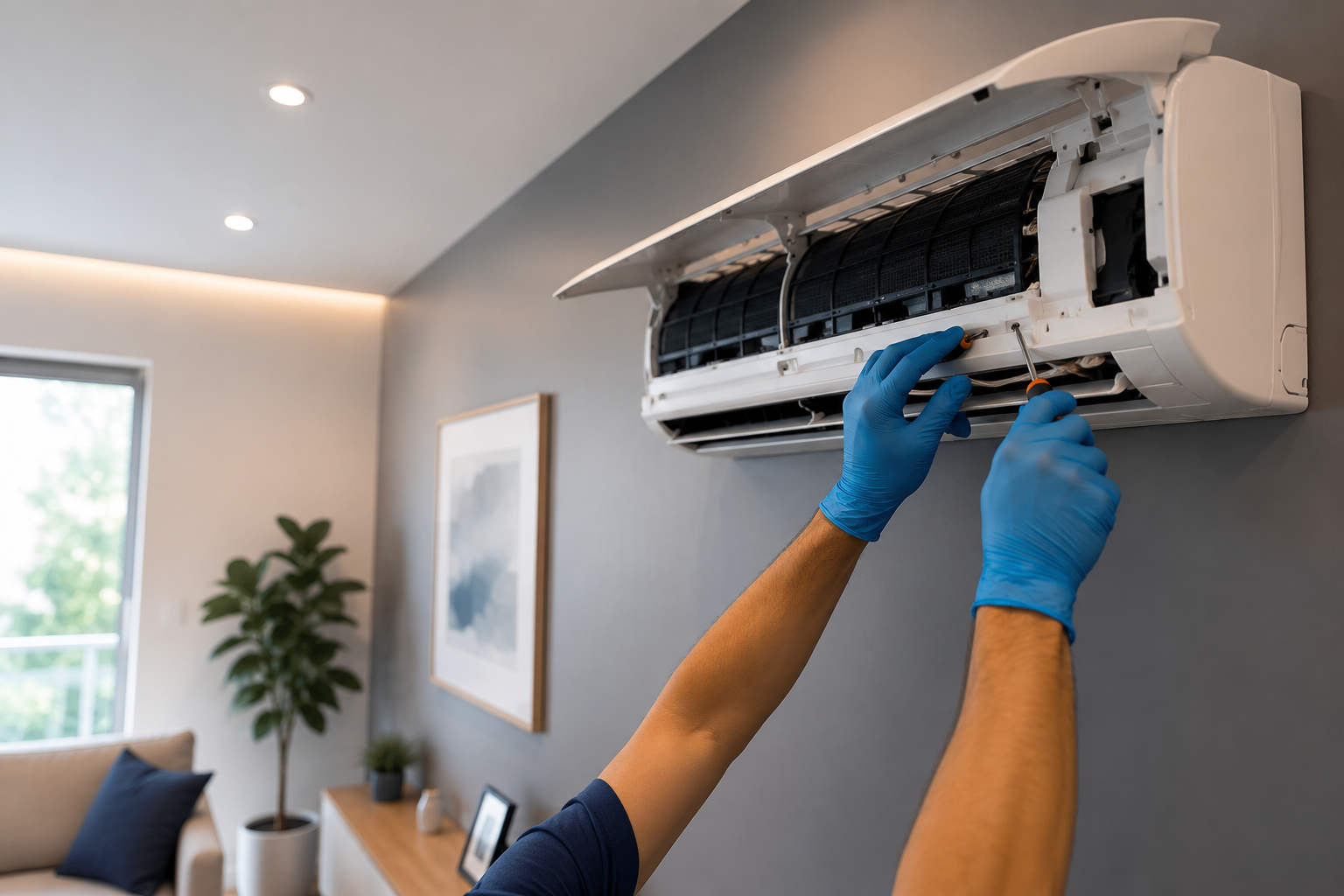
Regular servicing helps your air conditioner run efficiently and safely. A technician can check refrigerant levels, electrical components, coils, drainage, airflow and general system performance.
This is especially important if your unit smells musty, leaks water, blows weak air or struggles to reach the set temperature. Ignoring those signs can lead to higher running costs and more expensive repairs later.
In Australia, anyone working with regulated refrigerant must hold the right Refrigerant Handling Licence. (ARC Industry Site) That is one reason air conditioning repairs, commissioning and refrigerant-related work should be handled by a qualified professional.
When to Call a Professional
Call a professional if your air conditioner runs constantly, trips the power, leaks water, makes unusual noises, produces weak airflow or no longer cools the room properly. You should also get expert advice before installing a new split system, upgrading ducted air conditioning or changing the size of your unit.
Pergz Air can inspect your system, identify efficiency issues and recommend practical options for your home. The goal is to help you Reduce Air Conditioning Running Costs Australia without guessing or wasting money on the wrong fix.
For better comfort and lower energy waste, book an air conditioning service or installation assessment with Pergz Air.
Conclusion
To Reduce Air Conditioning Running Costs Australia, start with simple habits: set the temperature sensibly, clean filters, use fans, block heat before it enters and cool only the rooms you use. These small changes can make your air conditioner more efficient and your home more comfortable.
If your system still struggles, a professional inspection can reveal problems like poor sizing, restricted airflow, refrigerant issues or ageing components. For reliable advice and practical air conditioning support, Pergz Air can help you choose the right next step for your home.
FAQ
What is the best air conditioner temperature for Australian homes?
For cooling, many Australian homes can stay comfortable around 24°C to 26°C. Government energy advice commonly recommends a higher cooling set point where practical to reduce energy use.
Does cleaning air conditioner filters reduce running costs?
Yes. Clean filters improve airflow, which helps your system cool more efficiently. Dirty filters can make your air conditioner work harder and run longer.
Is it cheaper to leave air conditioning on all day?
Not usually. It depends on your home, system and weather, but running air conditioning when no one needs it often wastes energy. Timers, zoning and sensible temperature settings are better options.
When should I replace my air conditioner?
Consider replacement if your system is old, noisy, unreliable, poorly sized or expensive to run. A professional can compare repair costs, energy use and replacement options before you decide.