Why Reverse-Cycle Air Conditioning Is So Popular In Australia
Reverse-cycle air conditioning is one of the most practical options for Australian households because it provides both cooling and heating from one system. Instead of only cooling air, it can also warm your home by transferring heat, which makes it more efficient than many standard electric heaters.
The Australian Government’s Energy Rating guidance notes that reverse-cycle air conditioners can be far more efficient for heating than standard electric heaters, while energy.gov.au explains that many reverse-cycle systems on the Australian market operate at very high efficiency because they move heat rather than create it directly.
For many homes, this makes reverse-cycle air conditioning a strong year-round solution. You can cool your living area in January, warm the bedrooms in July and manage comfort without needing separate heating and cooling appliances.
Best Air Conditioning System Australia: Split, Ducted Or Multi-Split?
When people ask about the Best Air Conditioning System Australia has for homes, the answer usually comes down to three main options: split system, ducted air conditioning or multi-split air conditioning.
Split System Air Conditioning
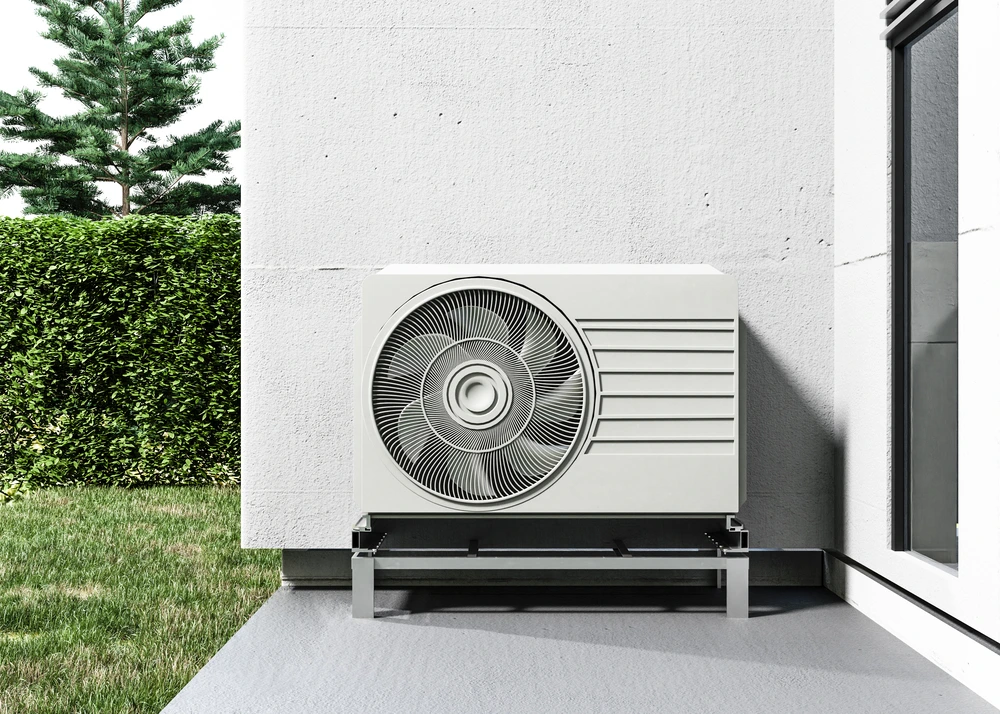
A split system is often the best option if you want to cool or heat one room or a main living area. It includes an indoor unit and an outdoor unit, making it suitable for bedrooms, lounges, home offices and smaller open-plan spaces.
Split systems are popular because they are generally more affordable to install than ducted systems. They also let you control one area without cooling the whole house.
A split system may suit you if:
- You mainly use one or two rooms
- You live in an apartment, townhouse or smaller home
- You want a cost-effective upgrade from fans or portable units
- You need targeted comfort in a bedroom, study or living area
The main limitation is coverage. If you need every room comfortable at the same time, one split system may not be enough.
Ducted Air Conditioning
Ducted air conditioning is usually the better choice for larger homes or families who want whole-home comfort. The system uses a central indoor unit, ductwork and ceiling vents to distribute air across multiple rooms.
Modern ducted systems can include zoning, which lets you cool or heat selected areas rather than running the whole home at once. This is important because zoning can reduce wasted energy when only part of the home is being used.
Ducted air conditioning may suit you if:
- You want a clean, discreet look with vents instead of wall units
- You want consistent comfort across several rooms
- Your home has enough roof or underfloor space for ductwork
- You are building, renovating or upgrading an older system
The downside is upfront cost. Ducted systems usually cost more to install, and poor design can lead to uneven airflow or higher running costs.
Multi-Split Air Conditioning
A multi-split system connects several indoor units to one outdoor unit. It can work well when you need comfort in multiple rooms but do not want full ducted air conditioning.
This option is useful for townhouses, homes with limited outdoor space or properties where ductwork is not practical. You can place indoor units in bedrooms, living areas or home offices and control them separately.
The trade-off is design complexity. A multi-split system needs correct sizing and careful planning so each indoor unit works properly with the outdoor unit.
What System Is Best For Different Australian Homes?
The Best Air Conditioning System Australia homeowners choose should match the property, not just the brand or price tag. A small, well-insulated unit in the right room can perform better than an oversized system installed in the wrong location.
For apartments and units, a split system is often the most practical choice. It gives strong comfort in the main living area or bedroom without needing major structural changes.
For family homes, ducted air conditioning can make daily life easier, especially when several rooms are used at once. Zoning is worth considering because it gives you more control over comfort and running costs.
For older homes, the answer depends on insulation, ceiling space, room layout and existing electrical capacity. Pergz Air can assess these details before recommending a system, which helps avoid overspending on the wrong setup.
Energy Efficiency Matters More Than Ever In 2026
Running costs are a major concern for Australian households, so energy efficiency should be part of your decision from the beginning. The Energy Rating Label helps you compare systems by star rating, and newer Zoned Energy Rating Labels show performance across different Australian climate zones.
This matters because a system that performs well in a mild climate may not be the best fit for a hotter or more humid area. You should look at both cooling and heating performance, especially if you plan to use the unit throughout the year.
Good habits also make a difference. You can reduce unnecessary energy use by closing blinds during hot parts of the day, sealing gaps around doors, cleaning filters regularly and setting sensible temperatures instead of pushing the system to extremes.
Correct Sizing Is Critical
Air conditioner sizing is one of the biggest factors in comfort and performance. A unit that is too small may run constantly and still struggle to cool the room. A unit that is too large may cycle on and off too quickly, which can affect comfort, humidity control and efficiency.
Professional sizing looks at more than floor area. It should consider ceiling height, insulation, window direction, glass size, room use, local climate and how many people usually occupy the space.
This is where the Best Air Conditioning System Australia choice becomes personal. Two homes on the same street may need different solutions because their layouts, sun exposure and insulation levels are different.
Installation, Licensing And Compliance
Air conditioning installation is not a simple plug-in job. In Australia, work involving refrigeration and air conditioning equipment may require a Refrigerant Handling Licence, especially where fluorocarbon refrigerants are handled or there is a risk of refrigerant being emitted.
Electrical safety also matters. A system may need a suitable circuit, correct isolation and safe installation practices. Poor installation can cause leaks, water damage, electrical faults, weak airflow and reduced system life.
Choosing a qualified installer helps protect your warranty, your home and your long-term running costs. It also gives you confidence that the system has been positioned, sized and commissioned properly.
When To Call A Professional
You should call a professional when you are comparing system types, replacing an old unit, planning ducted air conditioning, adding multiple indoor units or dealing with poor airflow, leaks, unusual smells or rising energy bills.
You can do some simple checks yourself, such as cleaning filters, clearing leaves around the outdoor unit and making sure vents are open. But installation, refrigerant handling, electrical work and system diagnostics should be handled by qualified technicians.
Pergz Air can help you choose the Best Air Conditioning System Australia homeowners need for comfort, efficiency and long-term value. For tailored advice, book a professional assessment and get a system recommendation based on your home, not guesswork.
Conclusion
The best air conditioning system for your home depends on how you live, how your property is built and how much control you want over different rooms. Split systems are great for targeted comfort, ducted air conditioning suits whole-home coverage, and multi-split systems sit neatly between the two.
In 2026, the smartest choice is not just about cooling power. It is about energy efficiency, correct sizing, quality installation and practical comfort across Australian conditions.
If you want the Best Air Conditioning System Australia option for your home, Pergz Air can guide you through the choices and recommend a system that fits your space, budget and lifestyle.
FAQ
What is the most efficient air conditioning system for Australian homes?
A reverse-cycle split system is often one of the most efficient options for single rooms or smaller areas. For larger homes, a well-designed zoned ducted system can be efficient when used correctly.
Is ducted air conditioning better than split system air conditioning?
Ducted air conditioning is better for whole-home comfort, while split systems are better for targeted rooms and lower upfront costs. The right choice depends on your layout, budget and how many rooms you use daily.
How do I know what size air conditioner I need?
You need to consider room size, insulation, ceiling height, window direction, local climate and how the room is used. A professional assessment is the safest way to avoid choosing a system that is too small or too large.
How often should I service my air conditioner?
Most residential systems should be serviced at least once a year, especially if they are used often. Regular servicing helps maintain airflow, improve efficiency and catch small issues before they become costly repairs.