
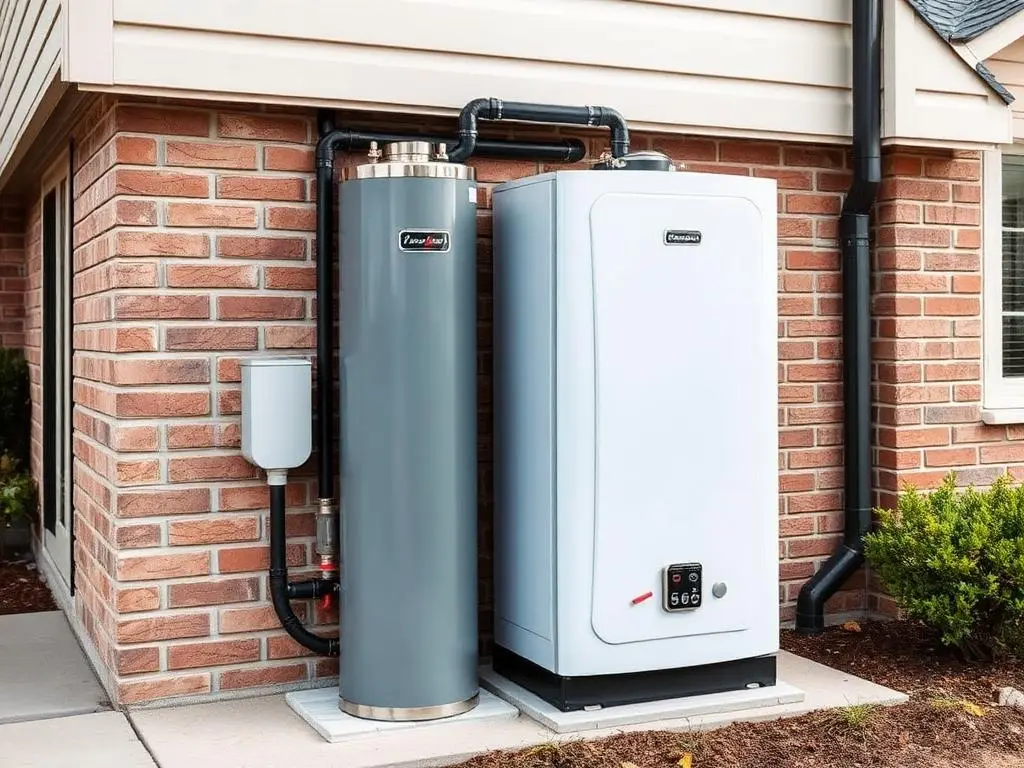
There is nothing quite like stepping into the shower on a bitterly cold Melbourne winter morning, only to be hit with freezing water because your ageing hot water system has finally reached the end of its life. It usually happens without much warning, leaving families scrambling to find a replacement while trying to avoid making an expensive decision in a hurry.
After working with homeowners across Melbourne, Sunbury, Gippsland and Shepparton, I have seen how often rushed choices lead to oversized systems, poor installation practices or unnecessary running costs. That is exactly why taking the time to understand hot water system installation in Melbourne before you book can save you money, improve efficiency and give you confidence that your new system will perform well for years to come. If you are already planning broader home comfort upgrades, it also makes sense to consider related services such as ducted air conditioning installation so your heating and cooling systems work together efficiently throughout every season.
Melbourne homes vary enormously, from Victorian terraces in Fitzroy and Collingwood through to modern family homes in Cranbourne, Dandenong and Essendon. That means there is no universal hot water solution that suits every property. Factors such as household size, roof orientation, existing gas supply, electrical capacity, water usage habits and available installation space all influence which system will provide the best long-term value.
Professional hot water system installation Melbourne is not simply about replacing one unit with another; it is about matching the right technology to your home while ensuring every aspect of the installation complies with Victorian regulations and delivers dependable performance throughout Melbourne’s changing climate.
Choosing the Right Hot Water System Installation Melbourne Solution for Your Home
One of the biggest misconceptions I hear is that replacing an existing hot water service with exactly the same type is automatically the safest option. In reality, your household may have changed considerably since the original system was installed. Children may have grown into teenagers who use significantly more hot water, older appliances may have been upgraded, or rising electricity prices may have shifted the economics towards newer technologies.
A proper assessment looks beyond the tank size and considers daily demand, energy efficiency, installation requirements and future operating costs so that your investment continues paying off well beyond installation day. Homeowners who are also upgrading their comfort systems often coordinate projects such as split system installation because planning multiple improvements together can reduce disruption and improve overall household energy performance.
Correct sizing is one of the most overlooked parts of hot water system installation Melbourne. Many people assume that a larger storage tank automatically provides greater comfort, yet an oversized unit frequently wastes energy by heating water that is never used. On the other hand, undersized systems struggle to keep up during busy mornings when several showers, washing machines and dishwashers compete for hot water at the same time.
The better approach is to calculate household occupancy, realistic usage patterns and peak demand periods rather than relying solely on storage capacity. This tailored approach generally delivers lower running costs while ensuring your family always has reliable access to hot water.
Comparing the Most Popular Hot Water Systems for Melbourne Homes
Melbourne’s climate makes several hot water technologies viable, but each one offers different advantages depending on the property. Cold winters, mild summers and rising energy prices all influence which option provides the strongest long-term return. Older homes around Fitzroy and Collingwood often present additional installation challenges because limited roof space or heritage considerations can reduce the practicality of some solar systems. Meanwhile, larger suburban homes across Cranbourne, Dandenong and Essendon may benefit from completely different solutions because of higher occupancy levels and available outdoor space.
| System Type | Upfront Installation Cost | Running Cost | Environmental Impact | Suitability for Melbourne Climate | Typical Lifespan |
| Electric Storage | Low | High | Moderate to High | Suitable but expensive to operate | 8–12 years |
| Gas Continuous Flow | Moderate | Moderate | Lower than electric storage | Very suitable where natural gas is available | 15–20 years |
| Heat Pump | Moderate to High | Low | Very Low | Excellent for Melbourne’s mild to cool climate | 12–15 years |
| Solar Hot Water | High | Very Low | Excellent | Excellent where roof orientation is suitable | 15–20 years |
Electric storage systems remain common because they are relatively inexpensive to install and easy to replace when an older unit fails. The drawback is that they often generate noticeably higher electricity bills, particularly for larger households that consume significant amounts of hot water each day.
Water quality also plays a role in long-term performance, as several Melbourne council areas experience varying levels of water hardness that gradually wear heating elements and reduce system efficiency if maintenance is neglected. For many homeowners, replacing an ageing electric storage unit with another identical model is no longer the most economical decision when modern alternatives offer substantially lower operating costs over the life of the system.
Gas continuous flow systems have become a popular choice because they heat water only when it is needed rather than storing heated water around the clock. This generally translates into lower energy consumption and a continuous supply of hot water, making them especially attractive for larger families with unpredictable usage patterns.
Heat pump systems are becoming increasingly popular throughout Victoria because they extract warmth from the surrounding air, making them highly efficient even during Melbourne’s cooler months. Eligible homeowners may also benefit from Victorian Government rebate programs when upgrading to approved heat pump or solar hot water systems, helping offset the higher initial purchase price while reducing ongoing household energy costs.
Solar hot water systems can provide exceptional long-term savings, but they are not automatically the best option for every Melbourne property. Roof orientation, available space, shading from neighbouring buildings and structural limitations all influence installation feasibility. Period homes throughout suburbs such as Fitzroy and Collingwood often require additional planning because roof layouts may not accommodate modern solar collectors efficiently without compromising performance.
A detailed site inspection allows installers to determine whether solar, heat pump, gas or electric technology represents the smartest long-term investment instead of assuming renewable energy is always the right answer.
Why Professional Installation Matters More Than Most Homeowners Realise
Hot water systems combine plumbing, gas, electrical and safety requirements, making professional installation far more important than many people initially appreciate. Victorian legislation requires licensed professionals to complete regulated installation work, ensuring every connection, pressure valve, expansion control device and safety component performs exactly as intended. Choosing qualified installers protects your warranty while reducing the risk of leaks, inefficient operation or potentially dangerous faults that may not become obvious until months after installation.
Compliance extends well beyond connecting a few pipes and switching the system on. Licensed installers work within the Plumbing Regulations Victoria 2018, issue the appropriate compliance documentation where required and ensure every installation satisfies current Victorian standards.
Homeowners can also refer to Energy Safe Victoria for additional guidance regarding gas safety, electrical requirements and consumer responsibilities when installing or replacing household hot water systems. If your project also includes broader heating system installation or upgrades to central home comfort, coordinating those works with experienced professionals creates a more efficient result than treating each system as an isolated project.
Many Melbourne homeowners choose to upgrade their complete heating and cooling solutions while replacing an ageing hot water system because it reduces future labour costs and minimises disruption around the home. Whether that includes HVAC installation, residential air conditioning, ducted heating installation or broader central heating and cooling, planning complementary improvements together often delivers better energy efficiency and a more comfortable living environment throughout every season. Looking at your home’s mechanical systems as a complete package rather than separate appliances allows you to make smarter investment decisions that continue delivering value for many years.
What to Expect During a Professional Hot Water System Installation
Once you’ve selected the right system, the installation process is usually straightforward when it’s handled by experienced professionals. The first step involves inspecting the existing unit, confirming the condition of the plumbing and electrical or gas connections, and identifying any upgrades needed to bring the installation up to current Victorian standards. Older homes in suburbs such as Richmond and Essendon can sometimes reveal ageing pipework or limited switchboard capacity that needs attention before a new unit is commissioned. Taking care of these details during installation helps avoid unexpected issues later and ensures the system operates safely and efficiently from day one.
If you’re replacing an older system, it is also worth considering whether your household’s needs have changed since it was first installed. A family of five will place very different demands on a hot water system than a retired couple, even if they live in similar-sized homes. That’s why experienced installers focus on actual occupancy and water usage rather than simply matching the previous tank size. Investing in the right capacity now often prevents expensive upgrades or ongoing frustration in the future.
Making a Smarter Long-Term Investment
When homeowners compare quotes, the cheapest installation is not always the best value. The purchase price is only one part of the equation, while energy consumption, maintenance requirements, expected lifespan and available government incentives all influence the true cost of ownership. A heat pump or high-efficiency gas continuous flow system may cost more initially, but lower running costs can offset that investment over time, particularly as household energy prices continue to fluctuate across Victoria.
I also encourage homeowners to think about future flexibility. If you are already planning renovations, adding another bathroom or expanding your household, installing a system that comfortably meets future demand can be a more practical decision than choosing the smallest unit that suits today’s needs. Looking ahead often avoids another replacement much sooner than expected. A properly selected and professionally installed system should continue delivering dependable performance for well over a decade when maintained correctly.
Conclusion
Choosing a new hot water system is about much more than replacing an appliance that has stopped working. The right installation takes into account your household size, daily water usage, property layout, future plans and long-term energy costs while ensuring every component complies with Victorian regulations. Melbourne’s varied housing styles and changing climate mean that the best solution for one home may not be the best choice for another, which is why professional advice makes such a significant difference. Investing in quality hot water system installation today can improve comfort, reduce energy bills and provide dependable performance through many Melbourne winters to come.
If you’re ready to replace an aging hot water system or simply want honest advice before making a decision, the experienced team at Pergz Air is here to help. We work with homeowners, landlords and property managers across Melbourne, Sunbury, Gippsland and Shepparton, providing practical recommendations based on your property’s needs rather than a one-size-fits-all approach. Whether you’re comparing heat pumps, gas continuous flow, solar or electric storage systems, we’re happy to explain the options clearly and professionally. The easiest next step is to get in touch and arrange expert guidance tailored to your home.
Frequently Asked Questions
How do I know when it’s time to arrange a hot water system installation in Melbourne?
If your hot water is inconsistent, your system is leaking, producing rusty water, or causing higher energy bills, it may be time for a replacement. Booking a professional assessment before the unit fails completely can help you choose the right system and avoid emergency replacement costs.
Which hot water system is the most energy efficient for Melbourne’s cold winter climate?
Heat pump hot water systems are among the most energy-efficient options for Melbourne because they perform well in the city’s mild to cool climate. Solar hot water systems can also deliver excellent savings where roof conditions are suitable, while the best choice depends on your household’s size and energy usage.
What licences and compliance requirements apply to hot water system installation in Victoria?
Hot water system installation in Victoria must be completed by a licensed plumber, and gas systems require a licensed gasfitter where applicable. All work must comply with the Plumbing Regulations Victoria 2018 and relevant Australian Standards to ensure safety and warranty protection.
How long does a professional hot water system installation take?
A standard replacement usually takes between three and six hours, depending on the type of system and any upgrades required. Clearing access to the installation area and discussing any site requirements beforehand can help the job run smoothly.
Is a gas or electric hot water system the better long-term investment for a Melbourne home?
Gas continuous flow systems can be cost-effective where natural gas is available, while modern heat pump systems often provide lower running costs and improved energy efficiency. The right option depends on your home’s energy supply, household size and long-term budget.