Melbourne’s weather can change quickly, making reliable indoor comfort a priority for homeowners throughout the year. Whether you’re dealing with summer heat or winter chills, a professional split system installation can provide an efficient and practical solution for maintaining the ideal temperature in your home. With modern systems offering both heating and cooling functions, they have become a popular choice across Melbourne.
A split system air conditioner is known for its energy efficiency, quiet operation, and ability to deliver targeted climate control. Unlike larger ducted systems, it allows you to heat or cool specific areas without wasting energy on unused rooms.
Understanding the key aspects of split system installation Melbourne homeowners should consider can help you make informed decisions when selecting a system for your property. This guide covers everything from choosing the right unit to installation requirements, ongoing maintenance, and practical ways to maximise long-term performance, comfort, and energy efficiency in Melbourne homes.
What is a Split System Air Conditioner?
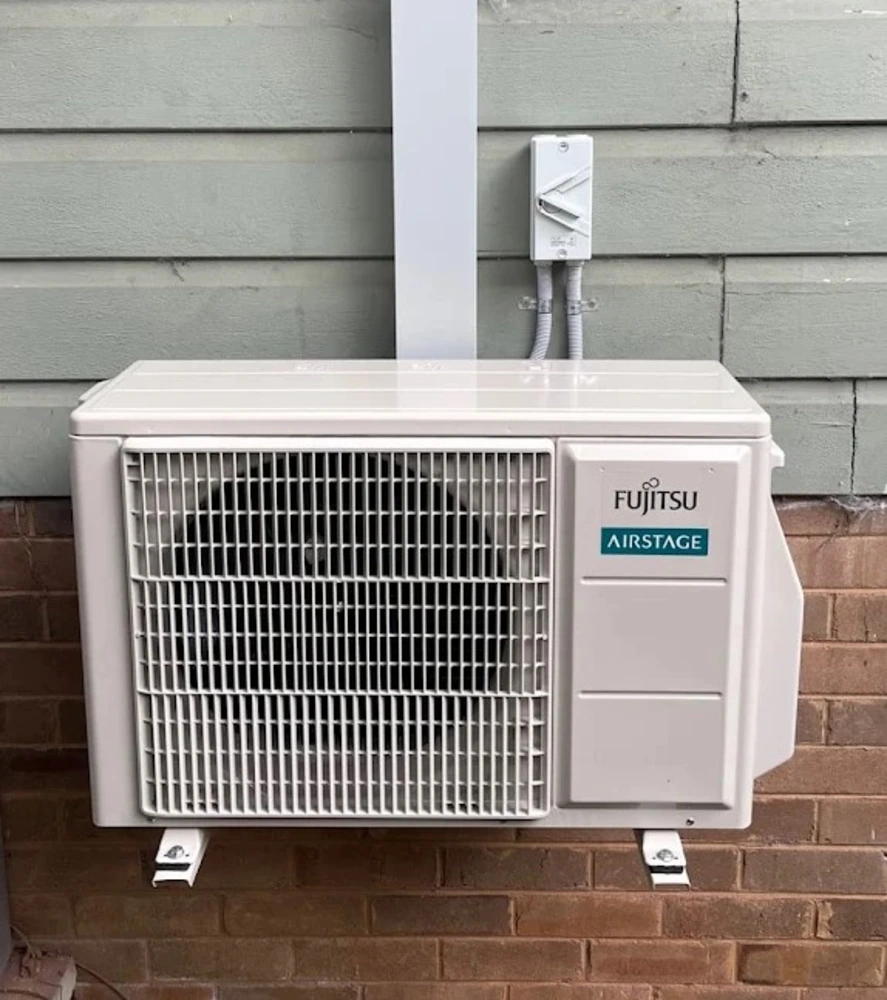
A split system air conditioner is a ductless heating and cooling solution consisting of two main parts: one outdoor unit (compressor/condenser) and one indoor unit (evaporator with fan). The indoor unit blows cool or warm air into the room, while the outdoor unit releases or absorbs heat from outside. Modern split systems use reverse-cycle (heat pump) technology. In heating mode, the system extracts heat from outdoor air and transfers it indoors; in cooling mode, it does the opposite.
Whether you need to beat the summer heat or warm the house in winter, a professional split system installation will match the right system to your home’s needs. Because heating and cooling often make up the bulk of a home’s energy use, using split systems to cool only occupied rooms can help save on bills. By planning carefully, your split system will be an efficient and cost-effective solution.
Benefits of Split System Installation
Installing a split-system air conditioner in your home comes with many advantages:
Energy Efficiency: A proper split system installation ensures the system runs at maximum efficiency. Modern split systems use heat pump technology to move heat rather than generate it. This means each kilowatt can produce many times more heating or cooling energy than a standard electric heater, lowering your power bills.
Year-Round Heating and Cooling: A single split system handles both summer cooling and winter heating. You’ll stay cool in summer and warm in winter with one system, which is perfect for Melbourne’s changing weather.
Zoned Climate Control: A split system installation lets you place indoor units in different rooms or use a multi-head system with multiple indoor units. This lets you cool or heat only the rooms you are using, saving energy compared to running one central system everywhere.
Quick and Quiet Operation: Installation is relatively fast and less invasive than central systems. With the compressor outdoors, the indoor units operate very quietly—often just a gentle hum.
The table below compares the main options:
| System Type | Indoor Units per Outdoor | Ideal For |
| Single-Split | 1 | Cooling/heating one room |
| Multi-Split | 2–5 | Multiple rooms, each with its own control |
| Ducted (Central) | All rooms (ductwork) | Whole-house heating/cooling (requires ducts) |
Single-split systems are common in apartments or single rooms. Multi-split systems connect multiple indoor heads to one outdoor unit. Ducted systems use a central unit with ducts to serve the whole house; they are usually more expensive and less efficient per room.
Planning Your Split System Installation
Careful planning ensures your installation goes smoothly:
Proper Sizing: To ensure a successful split system installation, match the unit’s capacity to the room size. Installers calculate this based on area, insulation, and sun exposure. An undersized system won’t keep the room comfortable, while an oversized unit will short-cycle and waste energy.
Unit Placement: Choose an interior wall for the indoor unit where air can flow freely. The outdoor unit should sit on a stable base or bracket outside, ideally in a shaded spot. Maintain about 30 cm of clearance around both units for airflow.
Home Efficiency: Ensure your home is well-sealed and insulated. Check for drafts around doors and windows and seal them if needed. Good insulation and sealing keep your home’s temperature steady.
Electrical and Drainage: Confirm there is a dedicated electrical circuit and space for an isolator switch near the outdoor unit. The installer will drill a hole for the refrigerant lines and condensate drain; make sure this wall opening is properly sealed.
The Split System Installation Process
On installation day, the steps usually include:
- Mount the Indoor Unit: The installer attaches a bracket to the wall and drills a hole for the pipes and wiring, then hangs the indoor unit.
- Place the Outdoor Unit: The outdoor compressor is set on a concrete pad or sturdy bracket outside. It must be level and have clearance.
- Connect Lines and Drain: Copper refrigerant pipes and the electrical cable are connected between the indoor and outdoor units. A drain line from the indoor unit is routed outside, and all connections are sealed.
- Electrical Hookup: A licensed electrician connects the system to power and installs a safety switch as required.
- Vacuum and Charge: The installer vacuums the refrigerant lines to remove air and moisture, then adds the correct refrigerant.
- Testing: The system is powered on and tested. The installer checks cooling/heating performance, looks for leaks, and shows you how to use the controls.
After these steps, your new split system should be ready for use.
Why Professional Installation Matters
Hiring a qualified installer is crucial:
Safety and Compliance: Split system installation involves refrigerant and high-voltage electricity. Licensed technicians are trained to handle these safely and follow legal codes. The Australian Government’s energy guidelines specifically require that air conditioner installations be performed by ARC-licensed technicians.
Performance and Warranty: Professionals ensure the system is correctly sized, charged, and balanced. Mistakes in a split system installation can void your warranty. Manufacturers usually require proof of professional installation to honour warranty claims.
Efficiency and Longevity: A proper installation maximises performance and prevents problems. For example, installers ensure pipes have the correct slopes and all connections are tight, which avoids leaks and extends the equipment’s life.
Time and Peace of Mind: An experienced technician will complete the job efficiently, saving you time and hassle. They provide all necessary documentation and give you tips on how to run your system.
In short, professional split system installation protects your investment, ensures safety, and maximises your system’s efficiency.
After Installation: Maintenance and Care
Maintaining your new split system installation will keep it running smoothly:
Clean or Replace Filters: Indoor units have reusable filters that trap dust. Check and clean them every few months (or more often if it’s dusty). Clean filters maintain airflow and air quality.
Outdoor Unit Care: Keep the area around the outdoor unit clear of leaves and debris. Periodically wash the fins with a gentle spray to improve heat exchange.
Regular Servicing: Have the system professionally serviced every couple of years. A technician will clean the coils, check refrigerant levels, and inspect all parts.
Check the Drain: Ensure the condensate drain line is not clogged. After heavy use, inspect for any water leaks around the indoor unit.
Smart Operation: Use reasonable thermostat settings (for example, around mid-20s°C in summer and low 20s°C in winter). Each extra degree of cooling or heating can significantly raise energy use.
Costs, Rebates, and Energy Efficiency
The price of a split system depends on size and brand, but incentives and efficiency can offset it:
Government Rebates (Victoria): The Victorian Energy Upgrades (VEU) program offers discounts on qualifying high-efficiency split systems. Choosing a high-star model may make you eligible for a rebate, helping to reduce the upfront cost.
Energy Ratings and Savings: Look for the official energy rating label on the unit. More stars mean higher efficiency and lower running costs. Over time, a well-installed high-efficiency unit can pay for itself in electricity bill savings.
Tips for Efficiency: Keep doors and windows closed when the AC is running and use blinds to block direct sun. If you have solar panels, run the split system during the day to take advantage of solar power.
Conclusion
A split system installation can be one of the best upgrades for your Melbourne home. You’ll get a system that heats in winter and cools in summer, operates quietly, and lets you control each room independently.
The key is to plan carefully and hire a licensed professional for your split system installation. Choose the right-sized, energy-efficient system and let qualified technicians do the work. Then maintain the system regularly and use it wisely to keep energy bills low.
Looking for reliable split system installation in Melbourne? At Pergz Air, we provide expert split system air conditioning installation, replacement, and maintenance services tailored to your home’s needs. Our experienced team ensures quality workmanship and long-lasting performance. Contact us today for professional advice and a free quote.