
The difference between split system and ducted air conditioning comes down to how each system distributes conditioned air through your home. A split system conditions one room or zone using a wall-mounted indoor unit, while a ducted system uses a central unit and a network of ducts to heat or cool your entire home from a single installation. Understanding which suits your situation can save you thousands of dollars.
Whether you’re building a new home, renovating, or simply replacing an ageing unit, choosing the right air conditioning system is one of the most significant comfort decisions you’ll make. Both systems have genuine strengths — and real drawbacks — depending on your home’s layout, your budget, and how you actually live day to day.
This guide walks you through everything you need to know to make a confident, informed decision in 2026.
How Does Each System Actually Work?
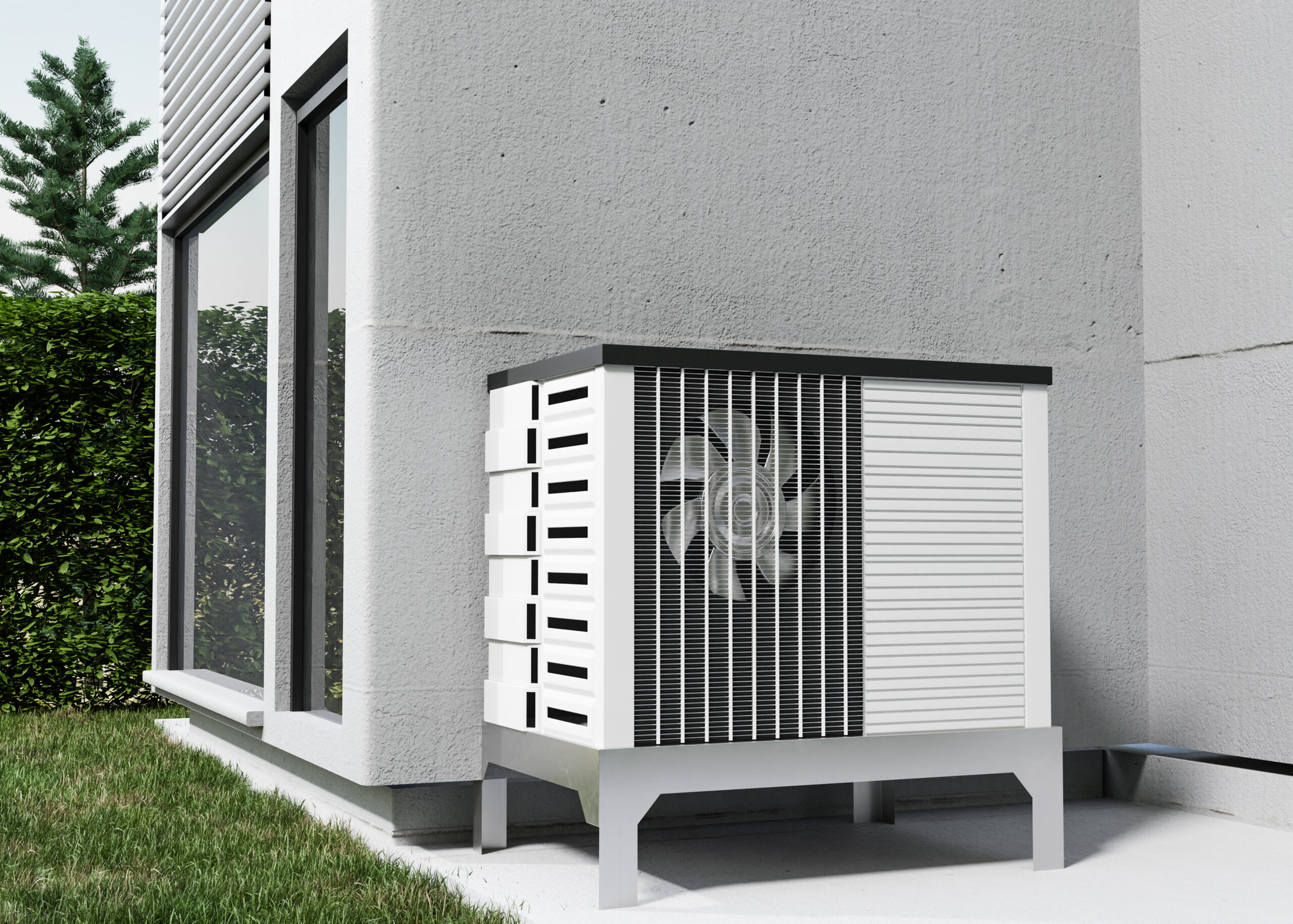
A split system installation consists of two main components: an indoor unit (the head unit mounted on your wall) and an outdoor unit (the compressor). Refrigerant lines connect the two, and the system cools or heats the room it’s installed in directly. Most split systems are reverse-cycle, meaning they provide both heating and cooling from the one unit.
A ducted system, by contrast, uses a single large outdoor compressor paired with a concealed indoor unit — typically installed in the roof cavity or under the floor. From that central unit, a network of insulated ducts runs throughout the home, delivering conditioned air through ceiling or floor vents in each room. A wall-mounted controller or smart thermostat manages the whole system.
Multi-head split systems sit somewhere in between: one outdoor unit connects to multiple indoor heads, each independently controlled. This gives you room-by-room flexibility without the full ductwork installation. You can learn more about this option through multi head split system installation in Melbourne.
What Is the Difference Between Split System and Ducted in Terms of Cost?
Cost is often the deciding factor for Australian homeowners, and the gap between these two system types is substantial. A single split system is the most affordable entry point, while a full ducted installation represents a significant home improvement investment.
| System Type | Typical Supply & Install Cost (AUD) | Best For |
|---|---|---|
| Single head split system | $1,200 – $2,800 | One room or open-plan living area |
| Multi-head split system (2–4 zones) | $3,500 – $7,500 | Apartments, townhouses, partial home coverage |
| Ducted system (small home, 3–4 rooms) | $6,000 – $12,000 | Whole-home comfort, new builds |
| Ducted system (large home, 5+ rooms) | $12,000 – $25,000+ | Large homes, high-end renovations |
These figures are indicative for 2026 and vary based on the brand, capacity (measured in kilowatts), home insulation quality, ceiling height, and whether ductwork needs to be retrofitted or is part of a new build. Retrofitting ducts into an existing home is considerably more expensive and disruptive than installing them during construction.
Running costs also differ. A well-zoned ducted system running only occupied areas can be efficient, but an older or poorly designed ducted system cooling empty rooms wastes significant energy. A split system running in a single room is typically the most energy-efficient option for targeted comfort.
Which System Is Right for Your Home?
The honest answer is: it depends on how many rooms you need to condition and how often you use them. Here’s a practical breakdown to guide your thinking:
- Renters or apartment owners: A single split system is almost always the right choice. It’s cost-effective, easy to install with minimal structural impact, and you can take it with you if you move.
- Townhouse or 3-bedroom home owners: A multi-head split system often delivers the best balance of flexibility and cost. You get independent room control without the full ducted investment.
- New builds or major renovations: Ducted systems are far easier and cheaper to install during construction. If you’re building now, it’s the ideal time to consider going ducted.
- Large family homes where whole-home comfort is essential: A zoned ducted system delivers consistent, whole-home comfort and keeps the aesthetics clean with no visible wall units.
- Homes with poor roof access or limited ceiling space: Ducted systems may not be practical, making split systems the more sensible option.
Melbourne’s climate is particularly relevant here. With cold winters and increasingly hot summers, a reverse-cycle system — whether split or ducted — is strongly recommended over cooling-only units. Both system types handle Melbourne’s four-seasons-in-a-day weather well when correctly sized.
What Are the Pros and Cons of Each System?
Understanding the advantages and limitations of each system helps you avoid buyer’s remorse down the track.
Split systems pros: Lower upfront cost, quick installation (typically 2–4 hours for a single head), easy to maintain, highly energy-efficient for targeted use, and no ductwork required. They’re also ideal for homes where running ducts isn’t structurally feasible.
Split systems cons: Each room needs its own unit if you want full-home coverage, which can add up in cost and create multiple wall-mounted units throughout the home. They’re also visible on the wall, which some homeowners find aesthetically undesirable.
Ducted systems pros: Whole-home comfort from a single system, aesthetically clean (only vents visible), zoning capability lets you control different areas independently, and adds tangible value to your property. A ducted system is often a strong selling point when it comes time to sell your home.
Ducted systems cons: High upfront cost, complex installation (especially retrofitting), duct leakage can reduce efficiency over time, and the entire system needs to be running even if you only want to cool one room (unless zoning is installed). Regular duct cleaning and maintenance is also essential.
How Long Does Each System Take to Install?
Installation time varies significantly between the two system types, and it’s worth factoring this into your planning — especially if you have tenants or can’t be without climate control for extended periods.
A single head split system installation typically takes 2–4 hours for a licensed technician. A multi-head system with 3–4 indoor units usually takes a full day. Both cause minimal disruption to your home and require only small penetrations through external walls for refrigerant lines and drainage.
A ducted system installation in an existing home can take 2–5 days depending on the size of the home and the complexity of the ductwork layout. In a new build where ductwork is installed before walls and ceilings are lined, the process is considerably faster and cleaner.
For suburb-specific installation enquiries in Melbourne’s south and west, split system installation in Bentleigh East and surrounding areas is a common request the team at Pergz Air handles regularly.
Can You Install a Split System or Ducted System Yourself?
In Australia, the short answer is no — not legally. Under Australian regulations, all refrigerant handling must be performed by a licensed refrigeration and air conditioning mechanic holding an ARCtick licence. This applies to both split systems and ducted systems. Attempting to handle refrigerant without the appropriate licence is illegal and can result in significant fines.
The electrical work involved in air conditioning installation also requires a licensed electrician in all Australian states and territories. In Victoria, this work must comply with AS/NZS 3000 wiring standards and be inspected where required.
What you can do yourself: clean or replace filters, clear debris from around the outdoor unit, and wipe down indoor unit surfaces. These simple maintenance tasks should be done every 3–6 months and genuinely extend the life of your system. Anything involving refrigerant, electrical connections, or ductwork must be handled by a qualified professional.
When to Call a Professional
If you’re unsure which system suits your home, getting a professional assessment before you spend a cent is the smartest move you can make. A qualified technician will assess your home’s size, insulation, ceiling access, existing electrical capacity, and your usage patterns to recommend the right system and capacity.
You should also call a professional if your existing system is underperforming, making unusual noises, leaking, or if your energy bills have spiked unexpectedly — these are signs of refrigerant issues, blocked filters, or failing components that need attention before they become costly repairs.
Pergz Air provides split system and ducted air conditioning advice and installation across Melbourne. Whether you’re looking at a straightforward split system installation in Altona or weighing up a whole-home ducted solution, the team can walk you through your options without the hard sell. Reach out for an obligation-free quote and get the right system matched to your home from the start.
Conclusion
The difference between split system and ducted air conditioning is fundamentally about scale, budget, and how you use your home. Split systems are cost-effective, flexible, and ideal for targeted room-by-room comfort. Ducted systems deliver whole-home climate control with a clean aesthetic, but require a larger upfront investment and are best suited to new builds or major renovations.
For most Melbourne households in 2026, a reverse-cycle split system — or a multi-head system for multi-room coverage — offers the best value without the complexity of a full ducted installation. If you’re building new or undertaking a significant renovation, ducted is absolutely worth the investment.
Still not sure which way to go? The team at Pergz Air is happy to help you work through the decision. Get in touch today for expert advice tailored to your home and budget.
Frequently Asked Questions
What is the main difference between split system and ducted air conditioning?
A split system conditions a single room using a wall-mounted indoor unit and an outdoor compressor. A ducted system uses a central indoor unit connected to ducts throughout the home to heat or cool multiple rooms simultaneously. Split systems are more affordable upfront; ducted systems offer whole-home comfort and a cleaner aesthetic.
Is a ducted system more expensive to run than a split system?
It depends on usage. A ducted system running without zoning in an entire home uses more energy than a split system targeting one room. However, a properly zoned ducted system that only conditions occupied areas can be comparable in running costs. Energy efficiency ratings (star ratings) also vary significantly between brands and models.
How much does split system installation cost in Melbourne in 2026?
In Melbourne, a single head split system supply and installation typically costs between $1,200 and $2,800 in 2026, depending on the unit’s capacity, brand, and installation complexity. Multi-head systems covering 2–4 rooms range from $3,500 to $7,500. Always get at least two quotes from licensed installers before committing.
Can I add a ducted system to an existing home in Australia?
Yes, but retrofitting a ducted system into an existing home is significantly more expensive and disruptive than installing one during construction. The installer needs adequate roof or underfloor space to run ductwork. Costs for a retrofit in a medium-sized home typically start from around $10,000 and can exceed $20,000 for larger properties.
Which is better for a 3-bedroom home in Melbourne — split system or ducted?
For a 3-bedroom Melbourne home, a multi-head split system is often the most practical and cost-effective choice. It provides independent temperature control in each room without the full cost of a ducted installation. If you’re renovating or building new, ducted is worth considering for the whole-home comfort and property value it adds.
How often should I service my air conditioning system in Australia?
Australian air conditioning manufacturers and industry bodies generally recommend a professional service every 12 months. This includes checking refrigerant levels, cleaning coils, inspecting electrical connections, and clearing drainage lines. You should clean or replace filters yourself every 3–6 months between professional services to maintain efficiency and air quality. For more about what we do, visit our homepage.